



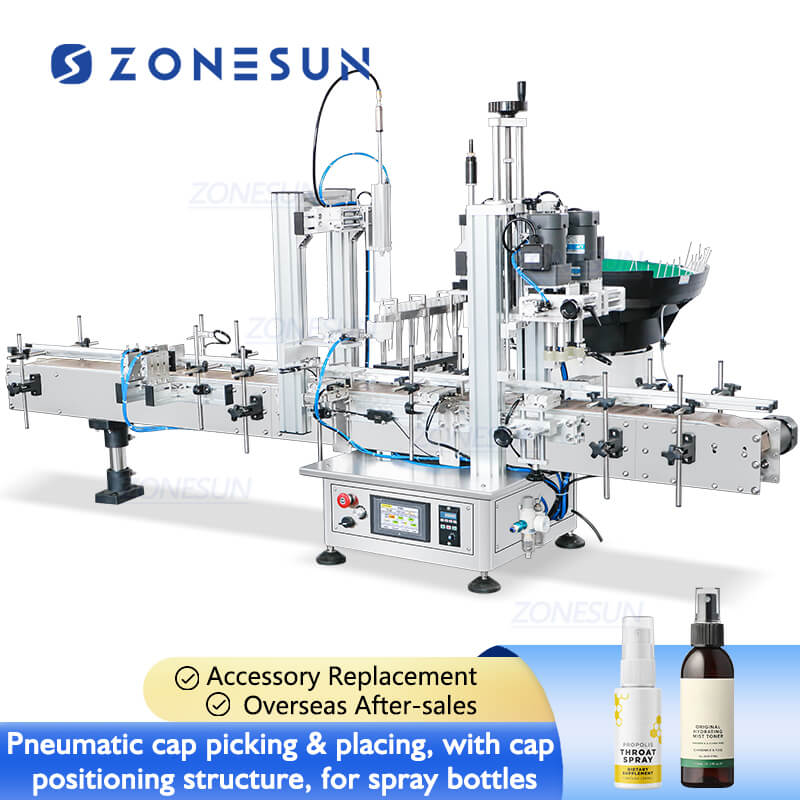
7 powodów, dla których warto wybrać automatyczną maszynę do napełniania i zamykania swojej linii produkcyjnej
Wymagania dotyczące opakowań rosną. Producenci żywności, napojów, kosmetyków, farmaceutyków i chemikaliów znajdują się pod presją, aby działać szybciej bez pogarszania jakości produkcji. Automatyczna maszyna do napełniania i zamykania łączy obie operacje w jeden system, a wpływ widać nie tylko w szybkości.

Dlaczego warto inwestować w automatyczną maszynę do napełniania i zamykania?
1. Produkcja przebiega szybciej – bez zwiększania zatrudnienia
Ręczne wypełnianie i zamykanie tworzy sufit. Przy dużych nakładach operatorzy po prostu nie są w stanie dotrzymać kroku. Automatyczna maszyna realizuje oba procesy w sposób ciągły, przepychając setki lub tysiące pojemników na godzinę, w zależności od konfiguracji.
Cykl nie zatrzymuje się na przerwy. Nie zwalnia w połowie zmiany. Prawdziwy zysk ujawnia się w tej trwałej przepustowości.
2. Objętość napełniania utrzymuje się na poziomie docelowym
Odchylenia w poziomach napełnienia stwarzają dwa problemy: zmarnowany produkt i nieudane kontrole jakości. Automatyczne systemy napełniania — niezależnie od tego, czy są to tłoki, pompy zębate czy ślimaki — są skalibrowane tak, aby utrzymywać objętość w wąskich tolerancjach w całym cyklu.
Płyny, kremy, sosy, oleje. Format się zmienia. Wymóg dokładności nie.
3. Każda czapka ląduje w ten sam sposób
Luźna czapka to coś więcej niż problem estetyczny. Wycieki, zanieczyszczenie, powroty – dalsze konsekwencje sumują się. Automatyczne systemy zamykania przykładają kontrolowany, powtarzalny moment obrotowy. Każdy kontener opuszcza linię zaplombowany zgodnie z tą samą specyfikacją.
Brak zmian wynikających ze zmęczenia operatora. Żadnych niespójności pomiędzy zmianami.
4. Koszty pracy maleją z biegiem czasu
Zatrudnianie, szkolenie, rotacja — linie pakujące, które w dużym stopniu opierają się na pracy ręcznej, niosą ze sobą ciągłe koszty, które się zwiększają. Automatyzacja napełniania i zamykania zmniejsza liczbę pracowników wymaganą bezpośrednio na tych stacjach.
Istnieje możliwość przekierowania personelu. W kierunku kontroli jakości, nadzoru linii, konserwacji – role, w których ludzki osąd wnosi większą wartość niż powtarzalna praca ręczna.
5. Mniejszy kontakt człowieka z produktem
W produkcji żywności, farmaceutyków i środków higieny osobistej bezpośredni kontakt operatora z produktem lub wnętrzem pojemnika stwarza ryzyko zanieczyszczenia. Sprzęt automatyczny usuwa większość tego kontaktu z procesu.
Konstrukcja ze stali nierdzewnej i zamknięte konstrukcje sprawiają, że czyszczenie jest szybsze i dokładniejsze — szczegół operacyjny, który ma znaczenie, gdy audyty sanitarne są częścią rzeczywistości biznesowej.
6. Jedna platforma maszynowa, wiele formatów
Rozmiar pojemnika, rodzaj nakrętki, lepkość produktu – te czynniki są różne. Dobrze skonfigurowana automatyczna maszyna do napełniania i zamykania dostosowuje się do tych zmian dzięki regulowanym parametrom, zamiast wymagać oddzielnego sprzętu dla każdego formatu.
Przełączanie pomiędzy produktami nie oznacza zatrzymania linii na wiele godzin. W przypadku producentów oferujących wiele jednostek SKU elastyczność ta bezpośrednio wpływa na planowanie.
7. Linię można skalować wraz z biznesem
Procesy ręczne charakteryzują się pułapem wydajności, który trudno podnieść bez proporcjonalnego zwiększenia zatrudnienia. Automatyzacja znacznie przesuwa ten pułap. W miarę wzrostu wolumenów maszyna absorbuje ten wzrost – bez odpowiedniego wzrostu kosztów pracy lub powierzchni.
W przypadku firm planujących ekspansję skalowalność zmienia faktyczne koszty rozwoju.

Szerszy obraz
Szybkość, dokładność, kontrola zanieczyszczeń, redukcja nakładu pracy, elastyczność formatu, skalowalność — to nie są odosobnione korzyści. Mieszają się. Linia, która napełnia się i zamyka szybciej, wytwarza mniej odpadów i mniej wycieków jakościowych, zmienia ekonomikę całej operacji.
Niezależnie od tego, czy produkt jest napojem, sosem, kosmetykiem czy substancją chemiczną – argument za automatyzacją napełniania i zamykania opiera się na tym samym fundamencie: można zrobić więcej przy mniejszej liczbie punktów awarii.
Zostaw komentarz