



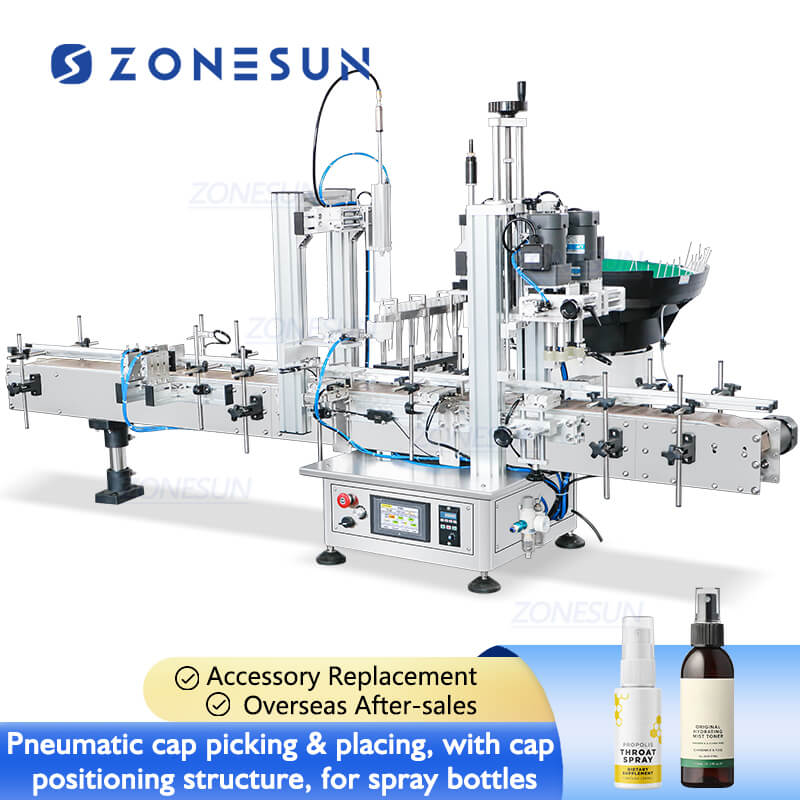
化粧品クリームの充填には、単純な液体の注入以上の作業が必要です。質感、粘度、包装形式が異なると、多くの場合、カスタマイズされた充填構造と生産構成が必要になります。標準的なフェイシャル クリームやボディ バターから、スワール クリーム、ジェル カプセル クリーム、アイ クリーム、ハンド クリームに至るまで、製品の外観と投与量の安定性を維持することが重要です。 ZONESUN は、エアギャップを最小限に抑え、質感を維持し、複数 SKU の化粧品製品のスムーズな取り扱いを保証するソリューションを提供することに特化しており、ジャー、チューブ、エアレス ボトルに対する柔軟な充填、キャッピング、およびラベル貼り付けのオプションを備えています。
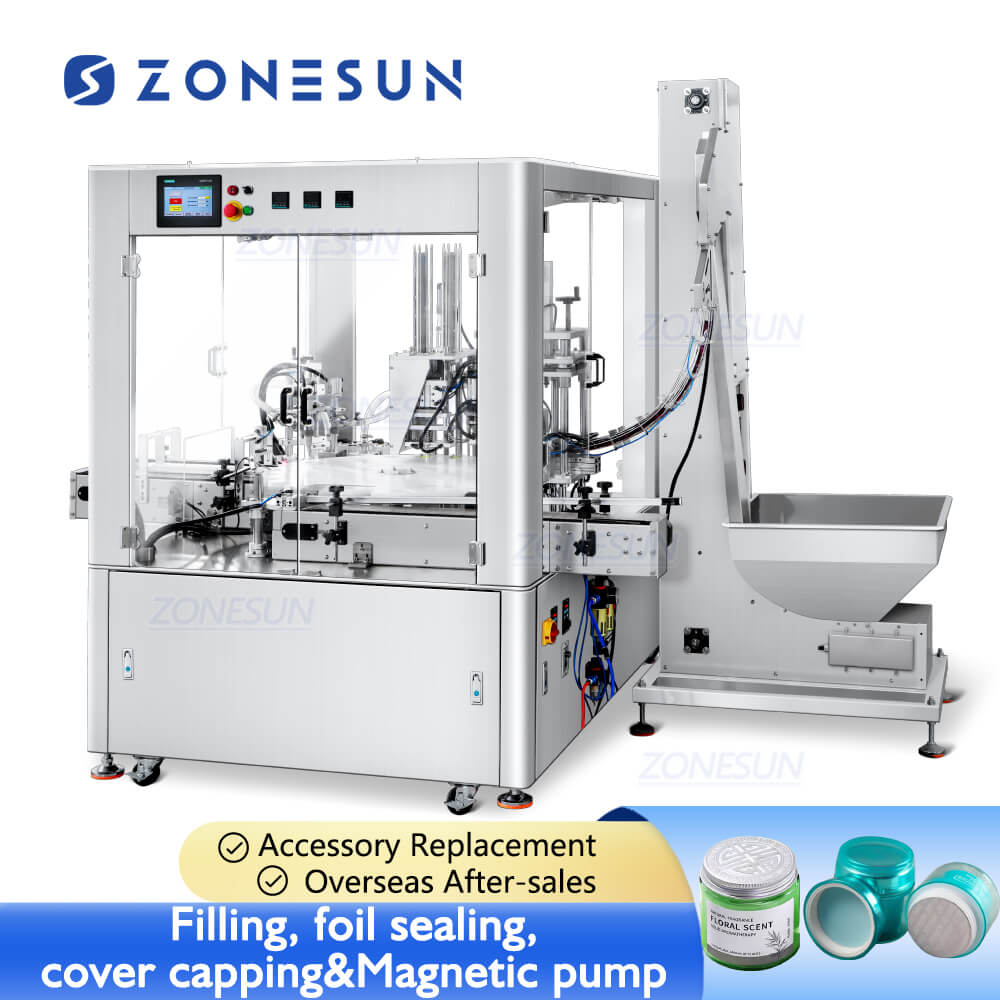
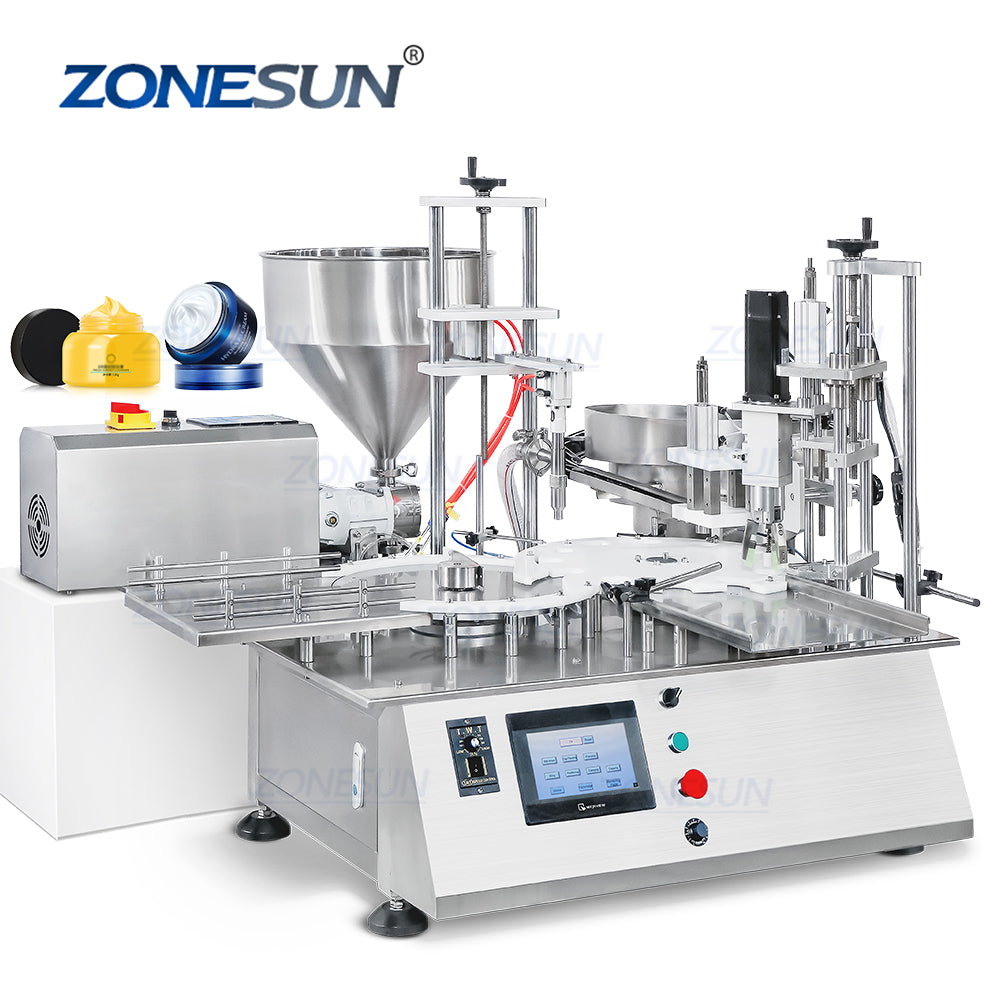
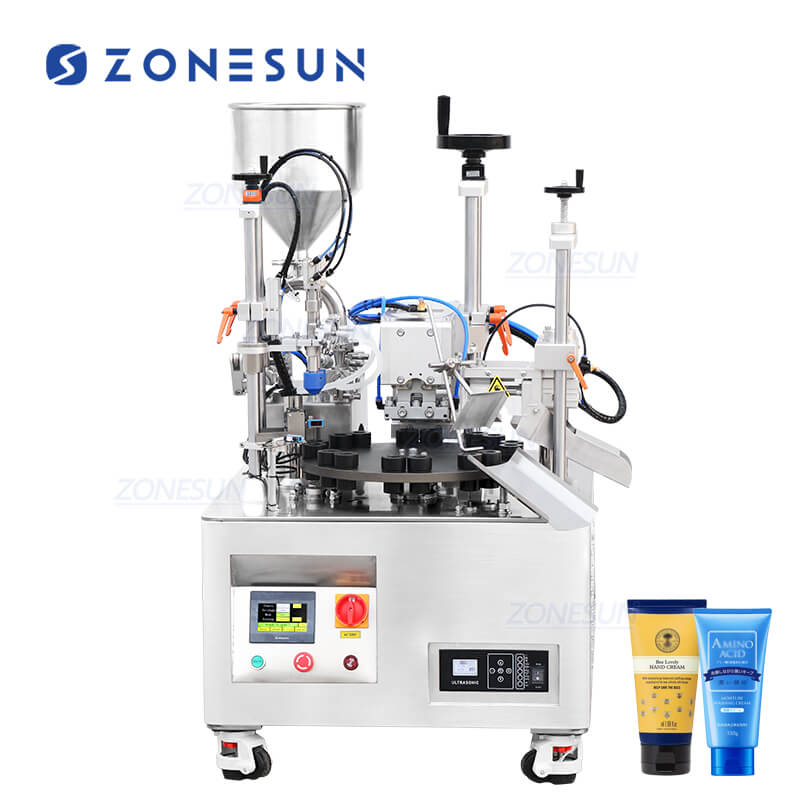
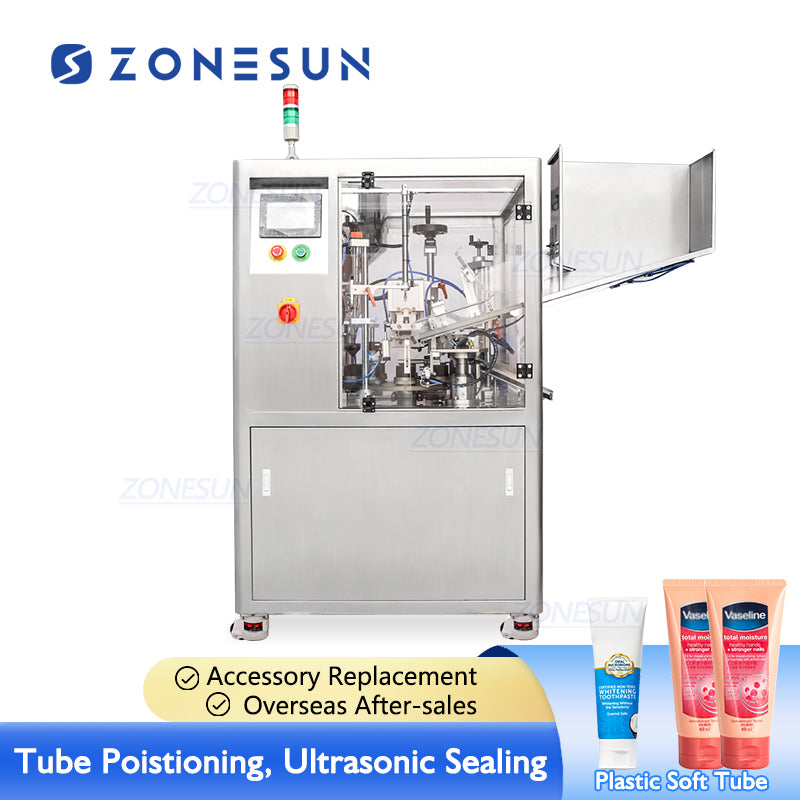

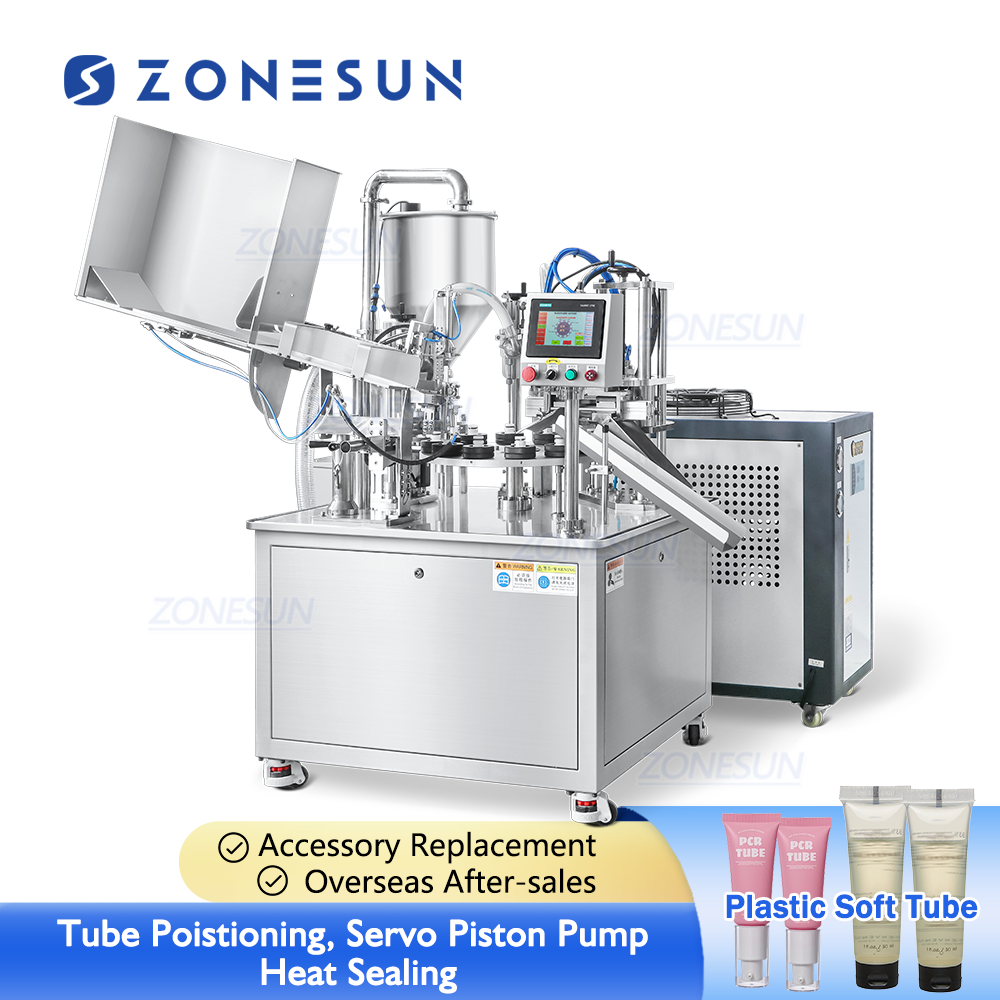
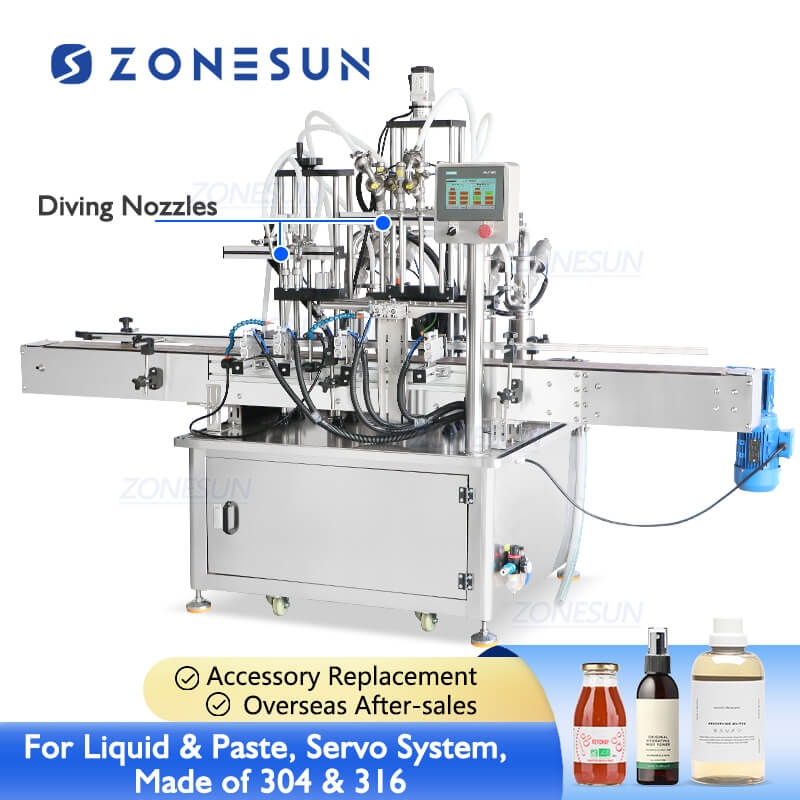

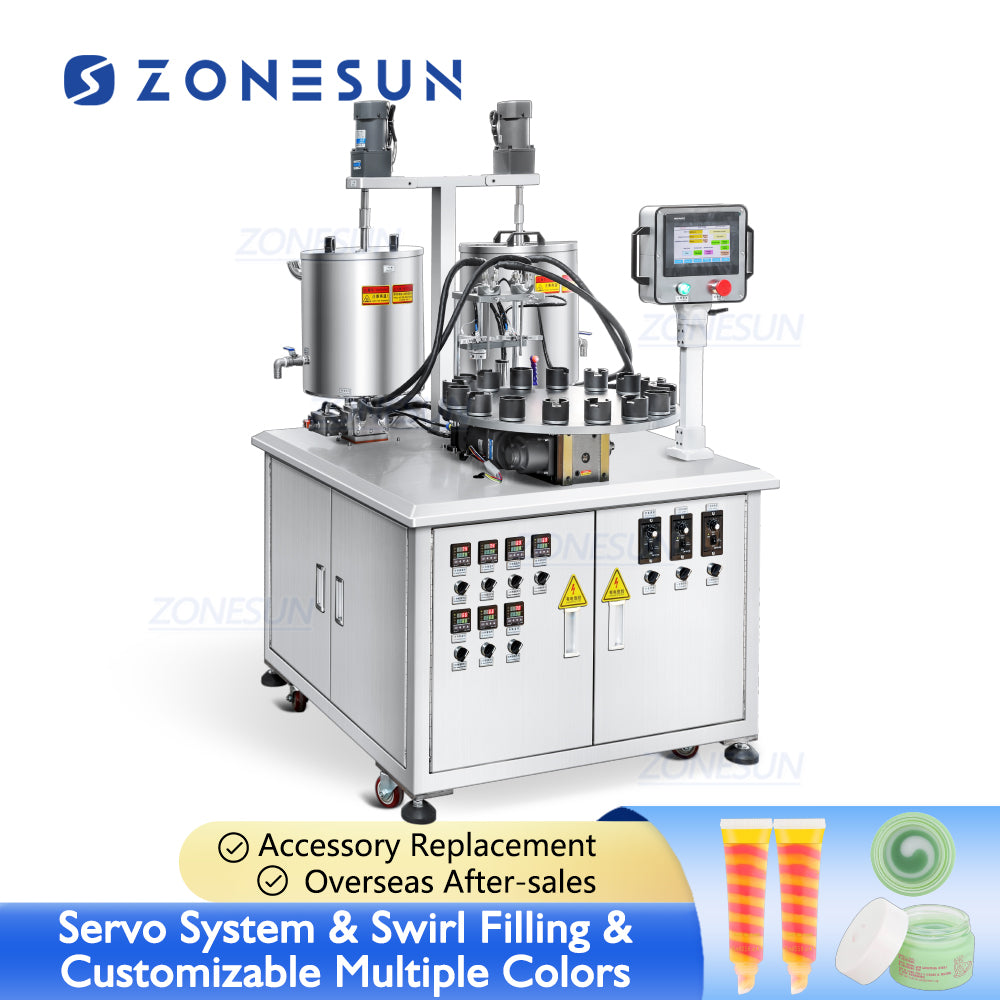
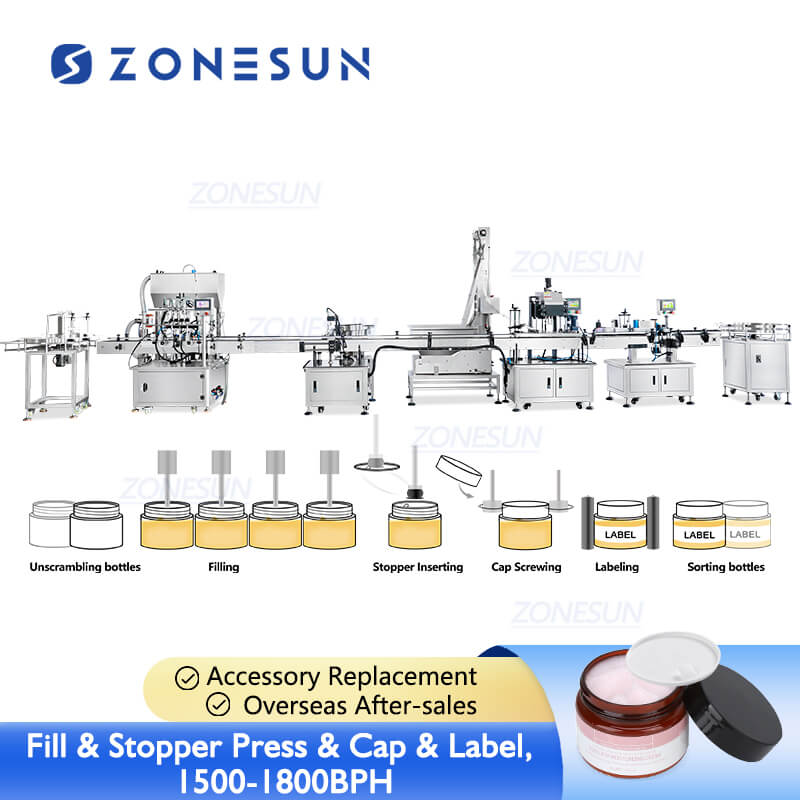
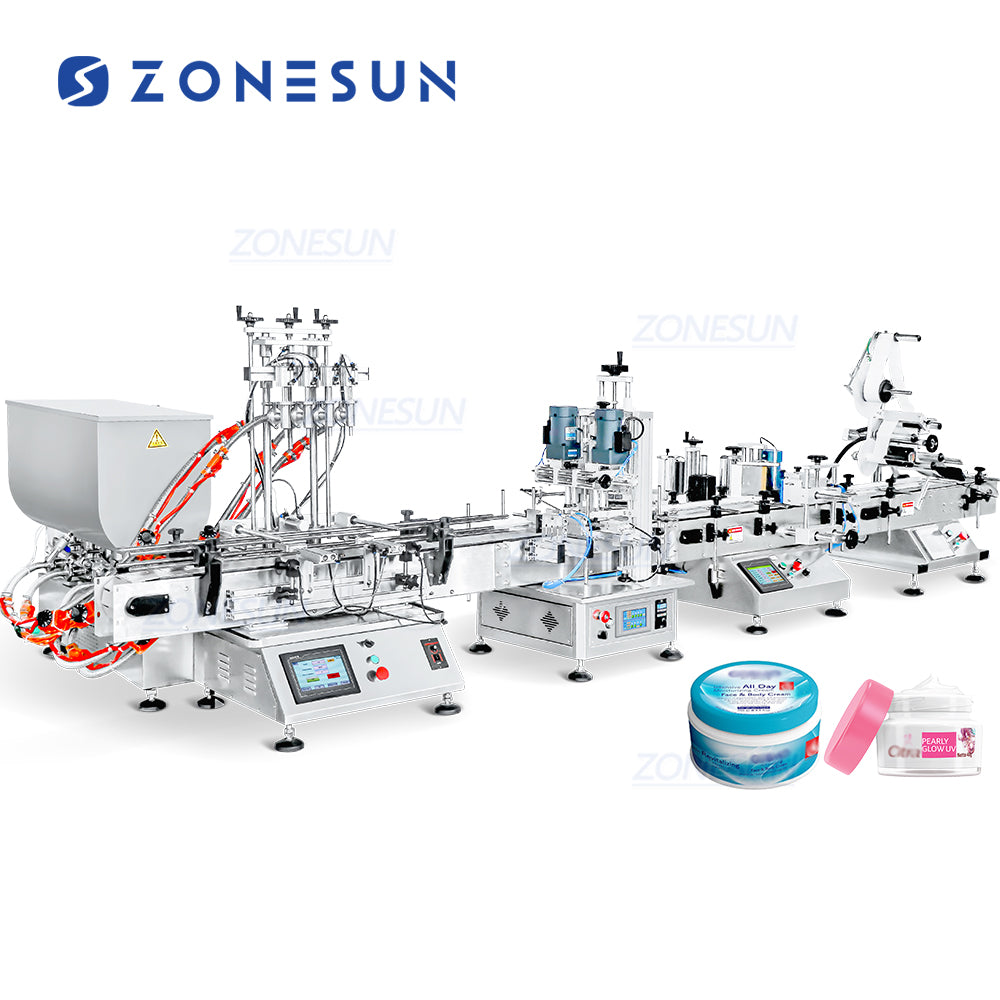
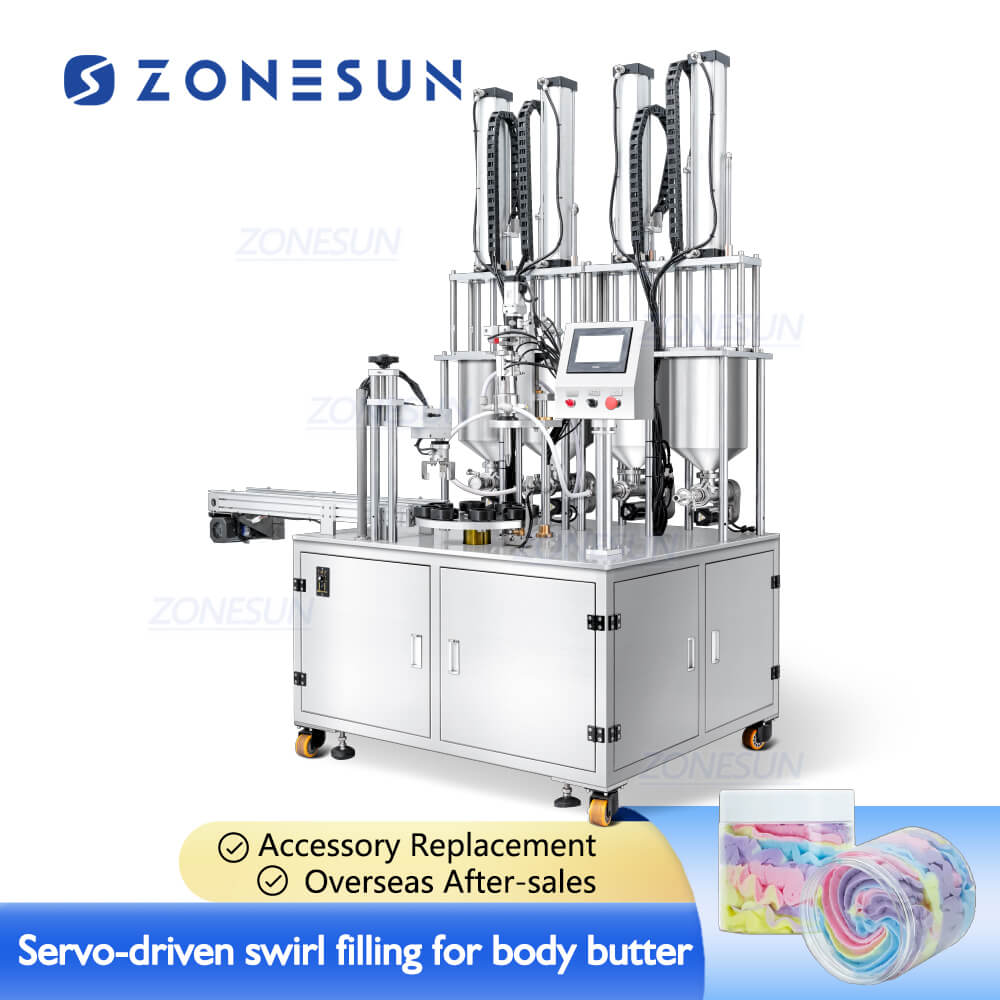
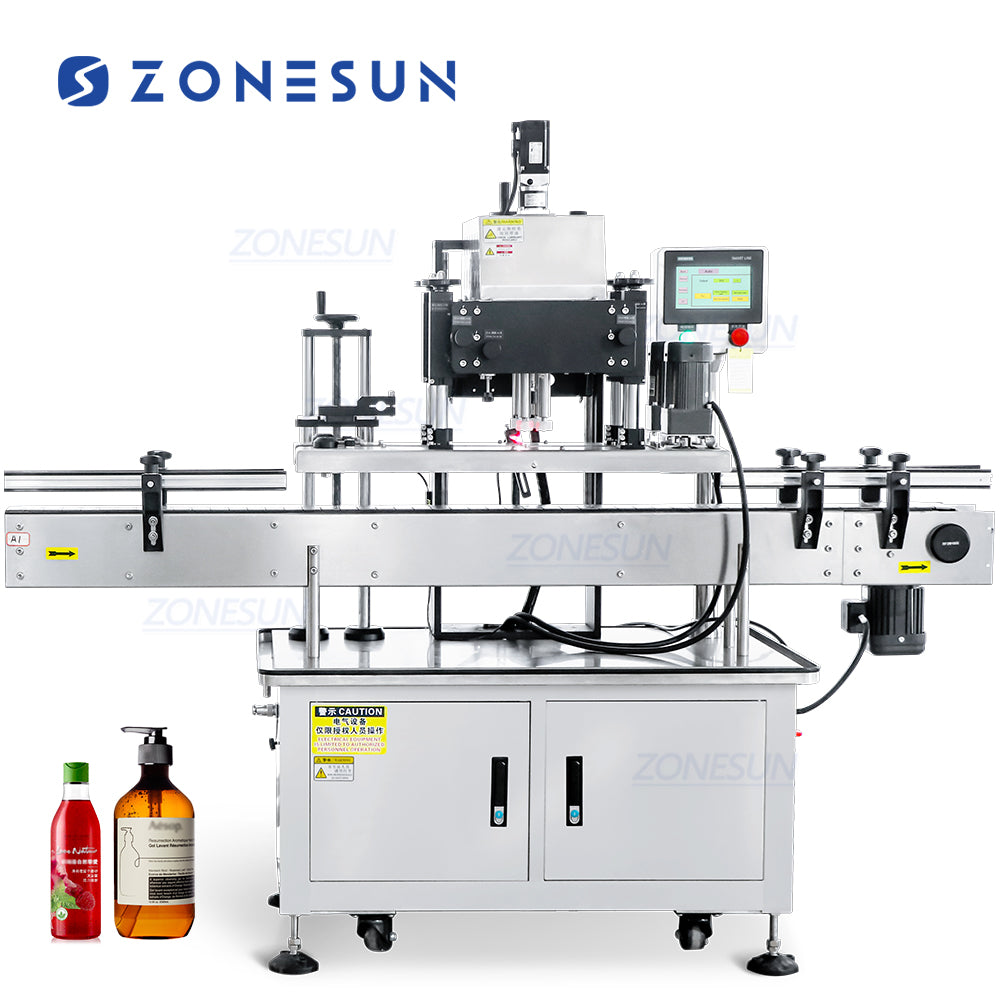
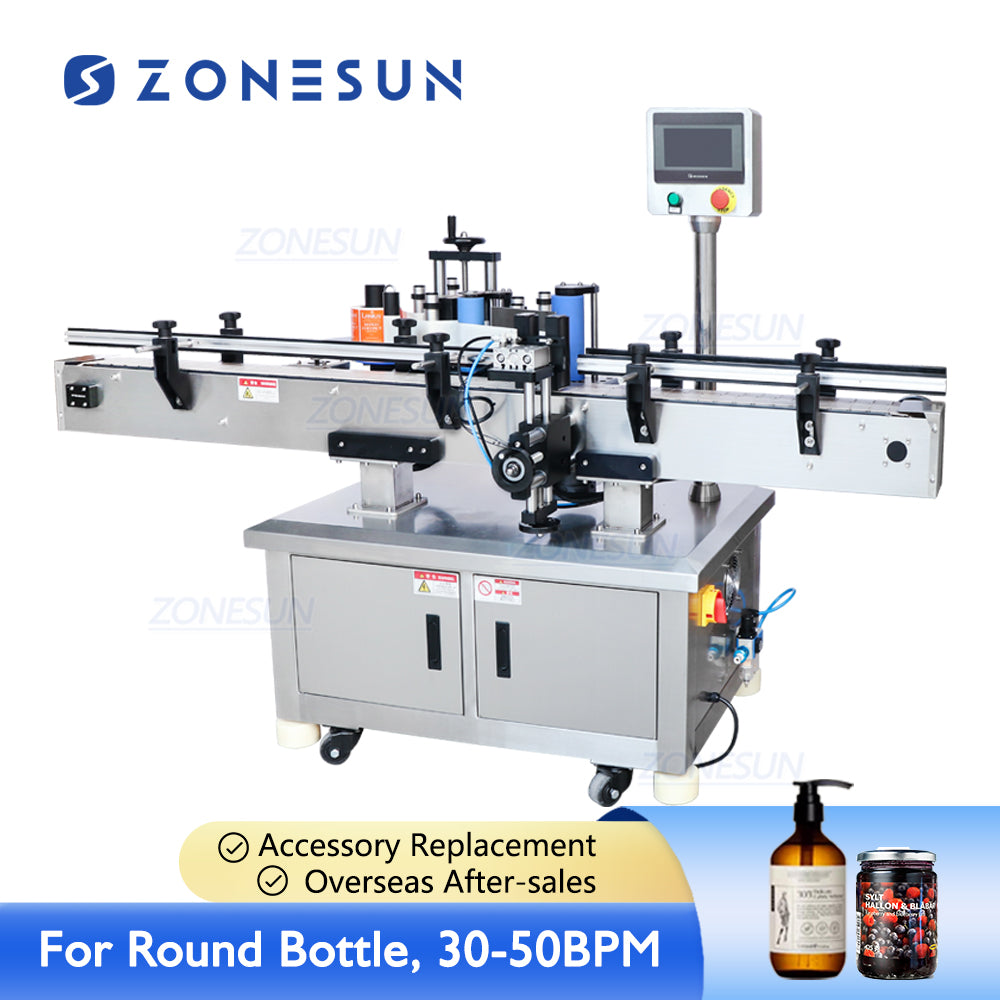


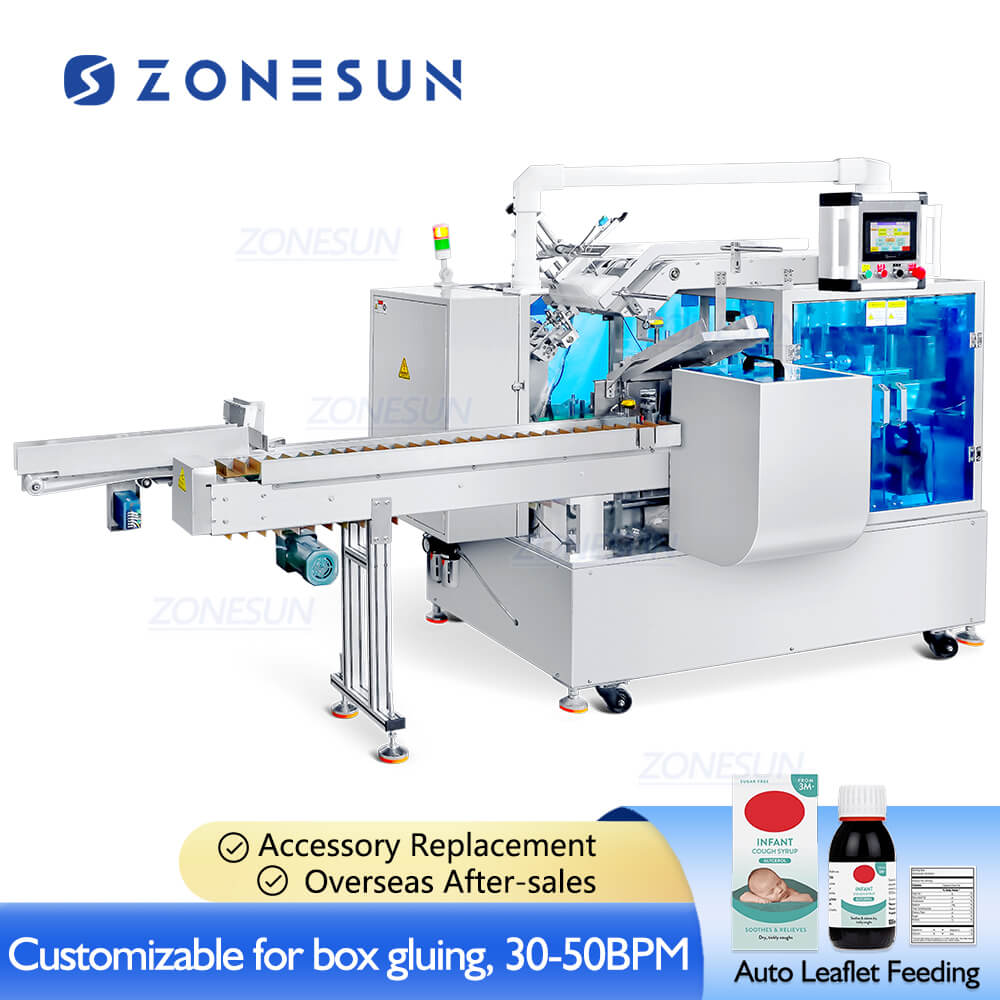
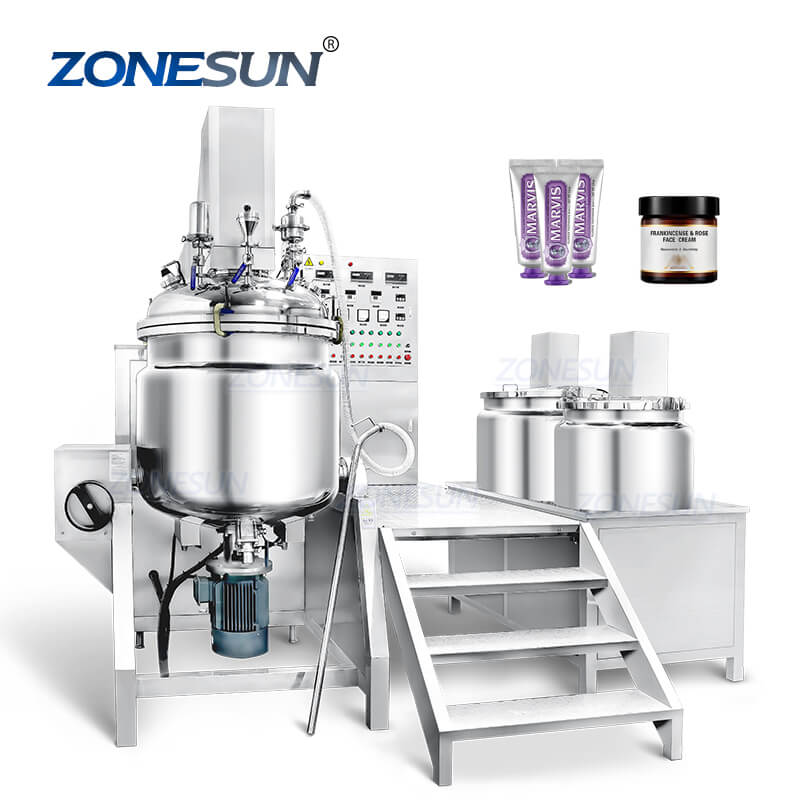
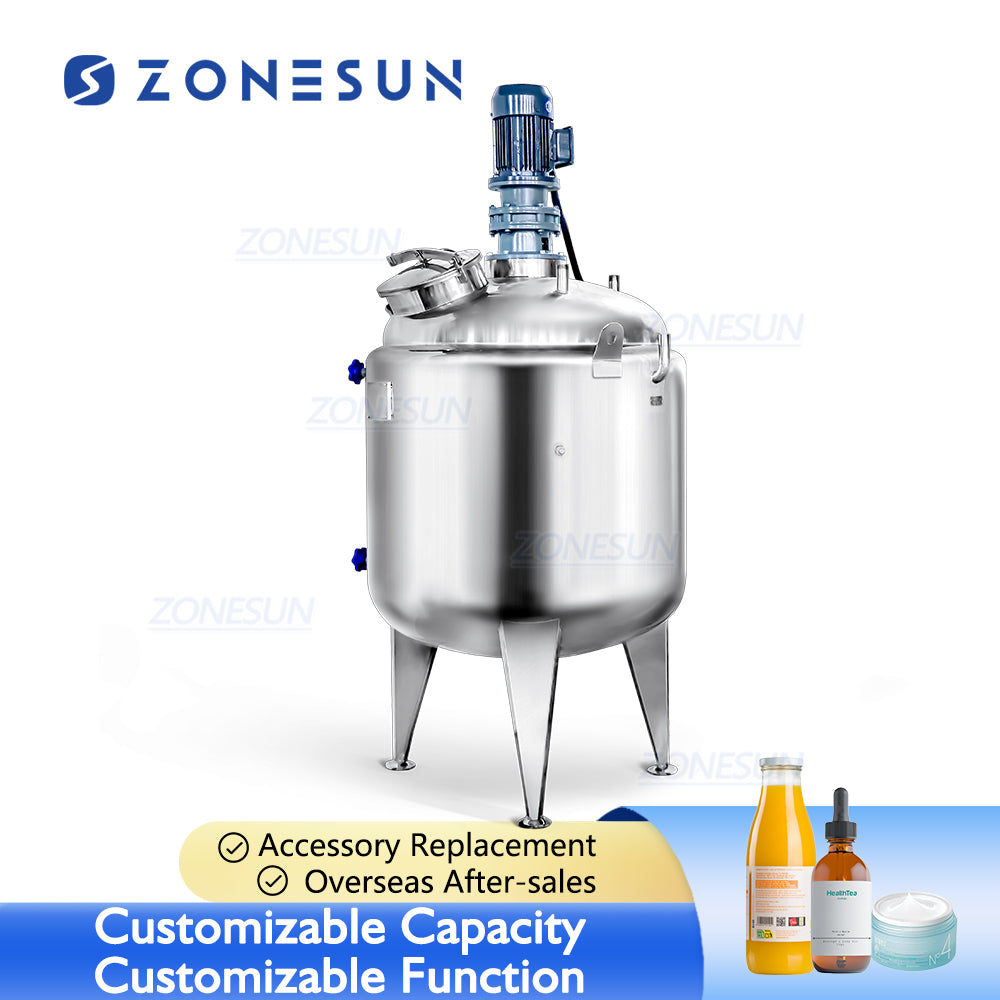
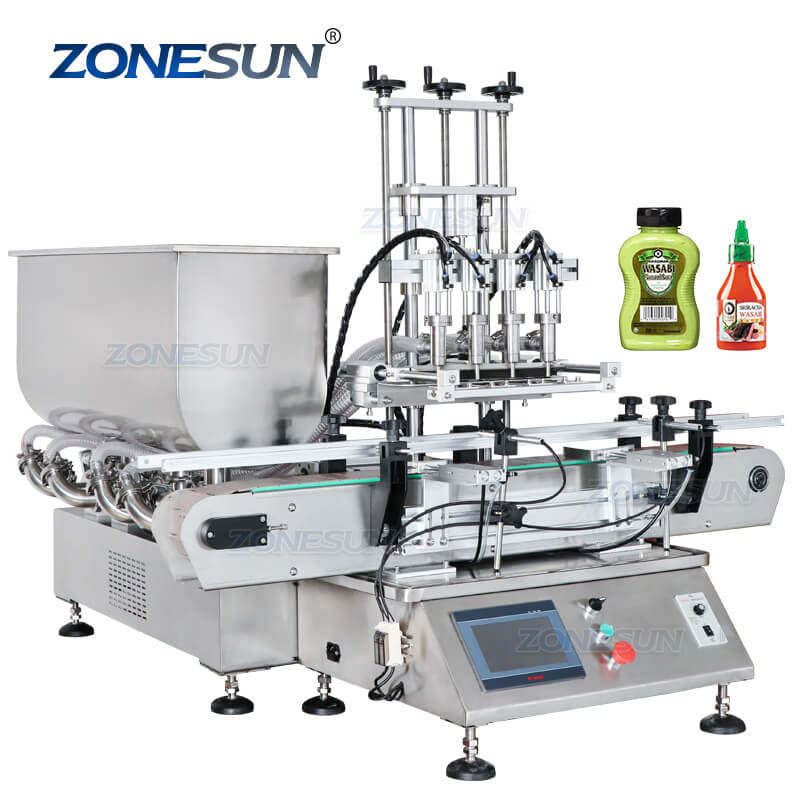
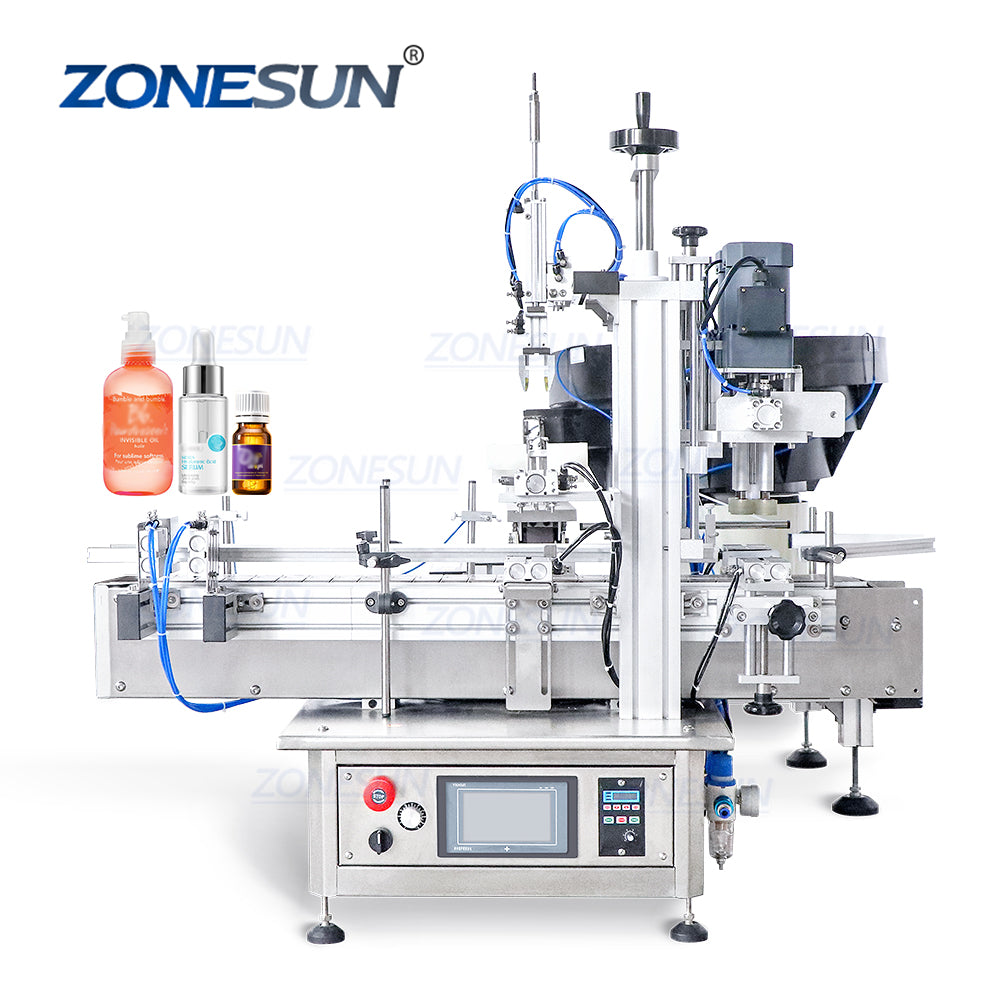
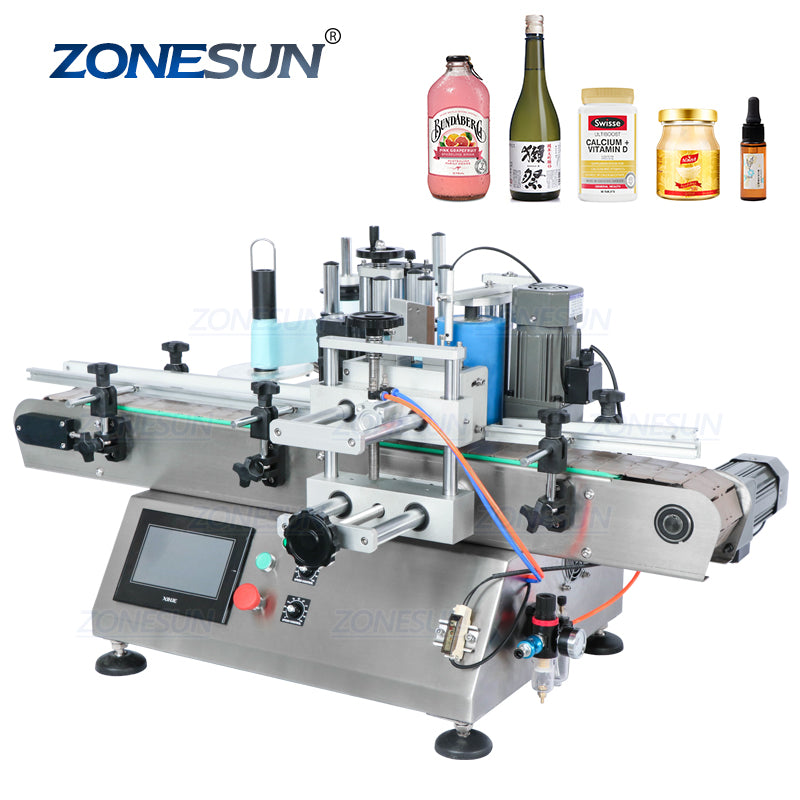


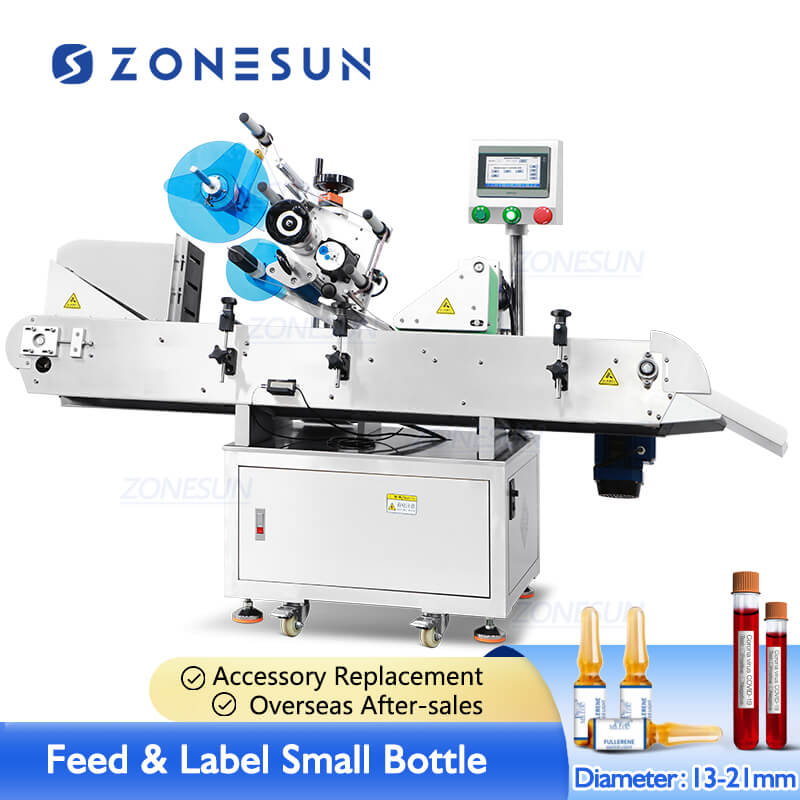


Cosmetic Cream Packaging Process
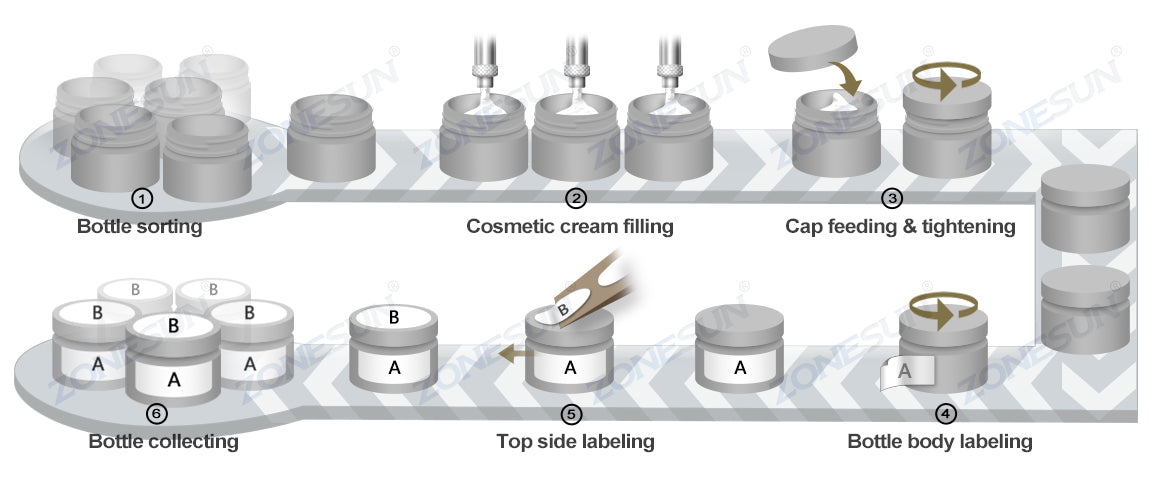
Cosmetic creams come in various packaging—glass jars, airless bottles, and squeezable tubes are among the most common. The packaging process for jars and bottles generally includes several steps: unscrambling, rinsing, filling, capping, labeling, and cartoning(as shown in the figure above). Tubes, however, require a different workflow: loading, filling, sealing, and cartoning. Cream viscosity typically ranges from 100 cP to 10,000 cP. This wide range means that manufacturers usually need customized filling systems—what works for a low-viscosity product won't necessarily work for a high-viscosity one. In both cases, the goal is consistent filling accuracy, smooth product flow, and clean, reliable packaging.
主な化粧品クリームの種類
スタンダードクリーム
フェイシャル クリーム、保湿クリーム、ボディ バター、バーム、その他の高粘度の化粧品クリーム製品は、通常、化粧品瓶、アクリル瓶、PET 瓶、またはエアレス ボトルに包装されています。ハンドクリームやアイクリームも、制御された分配や携帯用に軟質チューブやラミネートチューブに広く包装されています。
スワール コスメティック クリーム
スワール フェイス クリーム、層状クリーム、多色化粧品クリーム、および装飾用スキンケア製品は通常、透明な瓶または透明な化粧品容器に包装され、包装後に螺旋状または層状の充填物の外観が目に見えるようになります。
ジェルカプセルクリーム
カプセルインクリームスキンケア、懸濁ビーズクリーム、および目に見えるゲルカプセルまたはエッセンスビーズを含む装飾化粧品配合物は、通常、装飾的な視覚効果と製品の安定性を維持するために透明な瓶または空気のない容器に包装されています。
化粧品クリーム充填の主な課題と解決策
高粘度クリームの空隙
課題:
高粘度のクリームは、特に広口瓶や生産速度が速い場合、充填中に空気が閉じ込められる可能性があります。
これにより、表面が不均一になったり、内部に空洞ができたり、投与量が不均一になったりする可能性があります。
解決策:
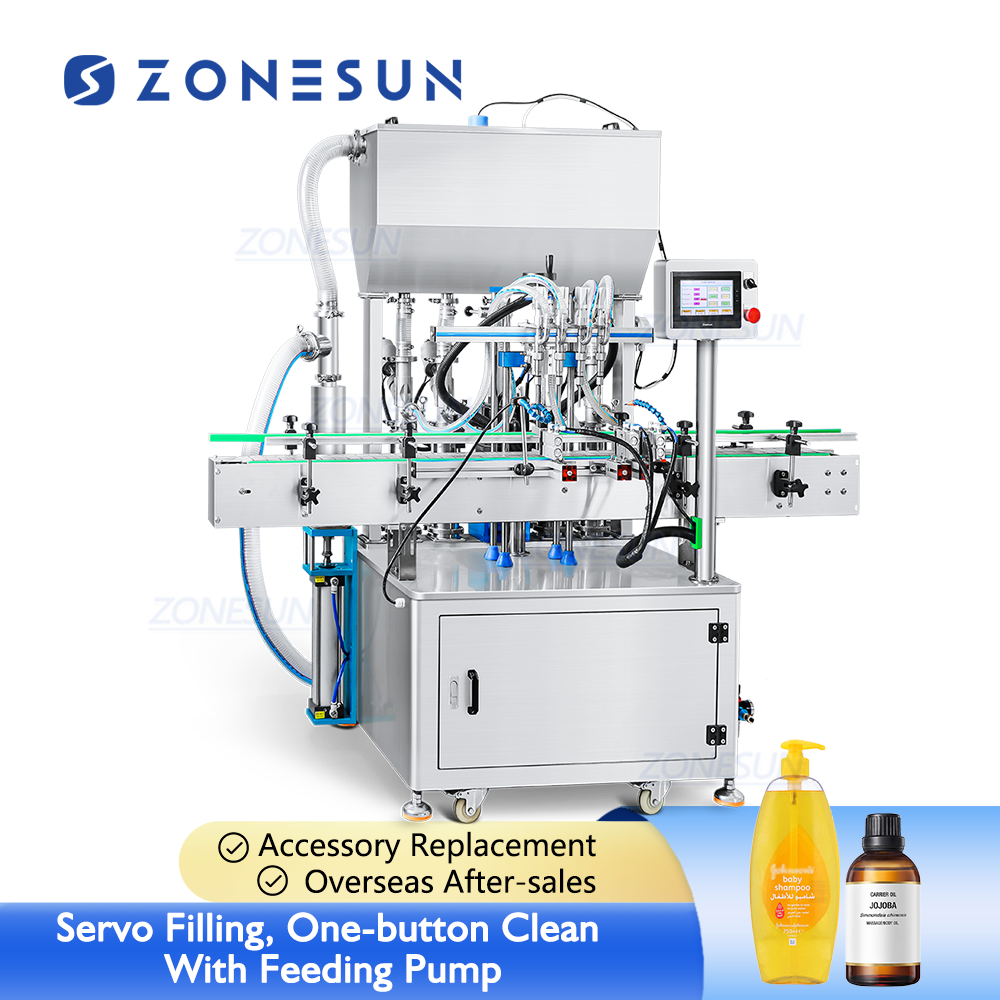
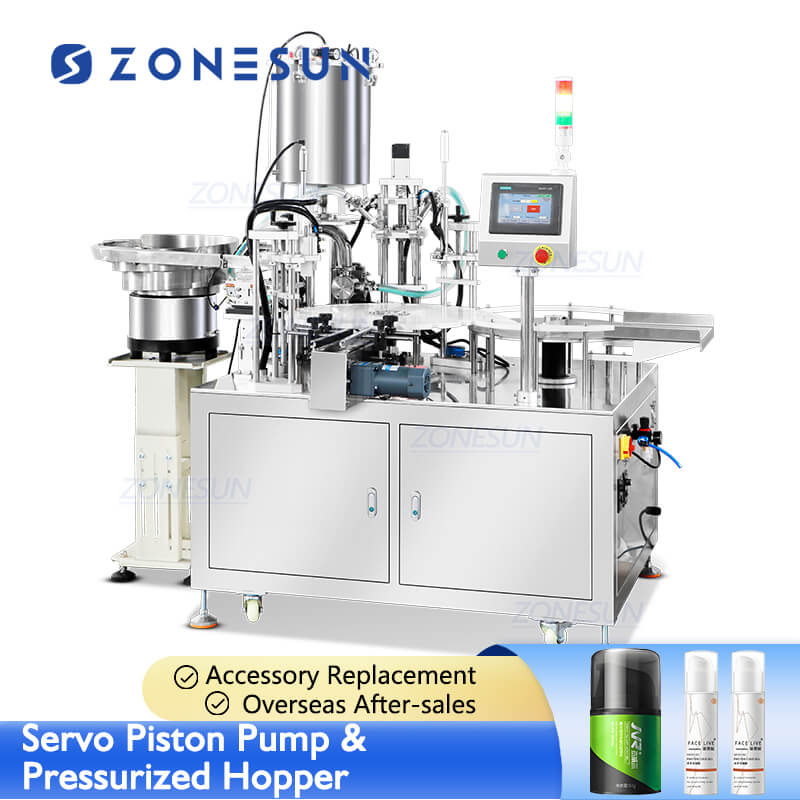
昇降ノズルを備えたサーボ駆動のピストン充填は、ボトムアップ充填の安定性を向上させ、注入中の空気の巻き込みを減らすために一般的に使用されます。用途によっては、充填前の真空脱泡や材料の脱気も、高粘度の化粧品クリーム製品内に閉じ込められた空気を減らすのに役立ちます。
渦巻き模様の安定性
課題:
渦巻き状のクリームやマルチカラーのクリームは、装飾的なパターンを維持するために正確な層を必要とします。
ノズルや流量制御が不適切だと、渦巻きの形状が歪んだり、スパイラルの厚さが不均一になったりすることがあります。
解決策:
専用のスワールノズルを備えたマルチチャンネル同期充填システム。
制御された流れにより、安定したスパイラル形成と一貫した装飾的外観が保証されます。
ゲルカプセルの保護と配布
課題:
懸濁したカプセルまたはビーズは、充填中に沈んだり、凝集したり、不均一に分布したりする可能性があります。
カプセルの配置が一貫していない場合、透明なクリーム製品内の最終的な装飾的な外観に影響を与える可能性があります。
解決策:
透明なベース充填と個別のカプセル投与による2段階充填構造。
垂直方向のノズルの動きにより、カプセルを容器内により均等に配置し、充填後の視覚的な一貫性が向上します。
清掃と製品の切り替え
課題:
異なる色、フレグランス、または油性配合物を切り替えると、洗浄の頻度が増加し、生産のダウンタイムが増加します。
パイプラインやホッパー内にクリームが残留すると、次の生産バッチに影響を与える可能性があります。
解決策:
充填システムは、顧客の既存の CIP システムと統合するために CIP 接続ポートを備えて設計できます。
ボタン 1 つで洗浄機能を使用すると、充填システム内の残留物質を排出しながら、パイプラインを通じて洗浄液を継続的に循環させることができます。
マルチフォーマットパッケージの互換性
課題:
1 つのラインで、異なる直径、高さ、またはキャップを備えたジャー、チューブ、またはエアレス容器を処理する必要がある場合があります。
高粘度製品と低粘度製品では、異なる充填方法が必要になる場合があります。
解決策:
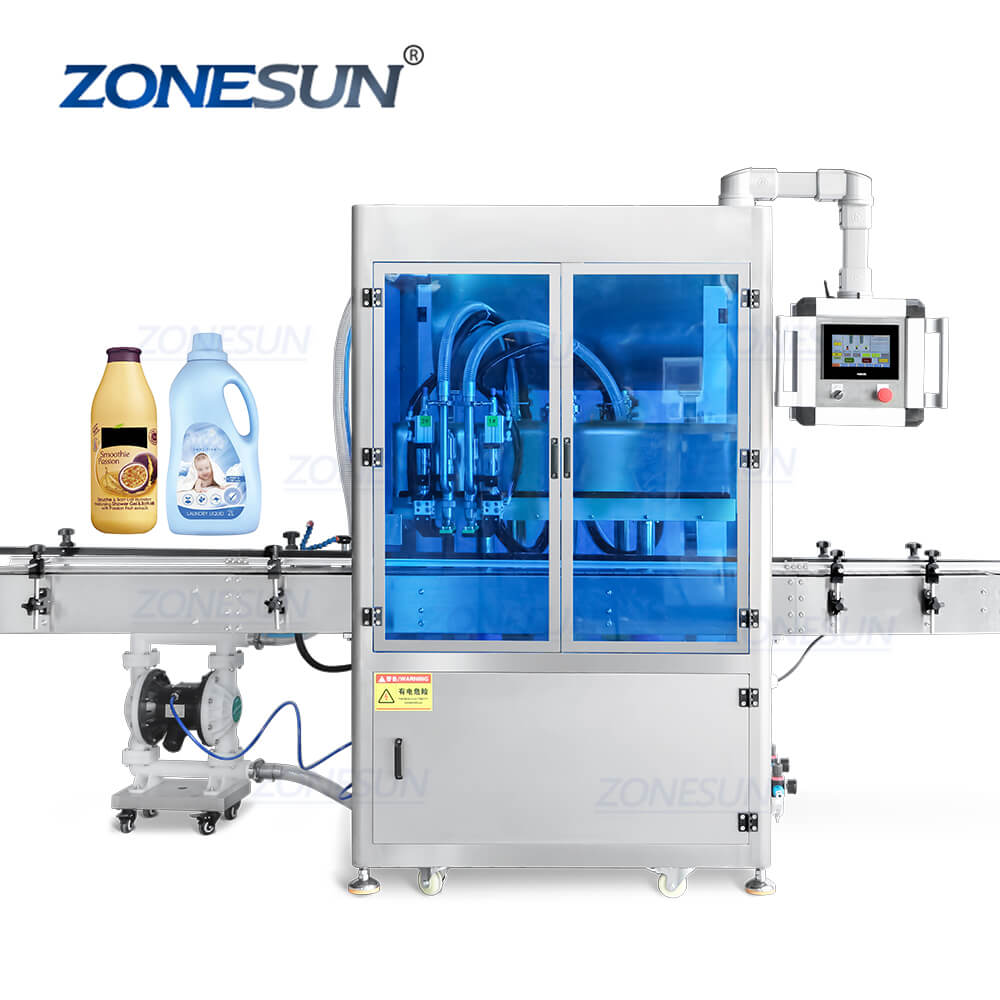
さまざまなコンテナサイズに合わせて調整可能なハンドリング構造と交換可能なコンポーネント。
デュアルまたは交換可能な充填システムにより、高粘度クリームと低粘度クリームの両方をサポートします。
生産の統合と材料の互換性
課題:
化粧品クリームメーカーは多くの場合、既存のラベル貼付機、キャッピング機、コンベア、その他の包装システムと統合するための新しい充填装置を必要とします。クリームの配合によっては、充填前に加熱、混合、撹拌、均質化が必要な場合もありますが、衛生基準や材料要件は製品ごとに異なる場合があります。
解決策:
充填システムは、既存の生産ラインとシームレスに統合できるようにカスタマイズできます。オプションの加熱、混合、乳化、撹拌機能は、充填中の製品の一貫性を維持するのに役立ちます。製品接触部品は、さまざまな化粧品製造要件を満たすために、AISI304 または AISI316 ステンレス鋼で製造できます。
Case Study of Cosmetic Cream Filling Machine

A cosmetic manufacturer in Lithuania specializing in cream and shampoo production required a flexible filling and packaging solution capable of handling multiple container formats on a single production line.
The products included 30g cream jars (Ø47 × H36 mm) and 50g cream jars (Ø56 × H43 mm), both equipped with inner stoppers, as well as 80ml shampoo bottles (Ø36 × H126 mm) and 150ml shampoo bottles (Ø45 × H156 mm) fitted with 24/410 disc top caps.
The customer required stable production at 20–30 BPM with ±1% filling accuracy across both product types. Since the line needed to process both high-viscosity cosmetic creams and low-viscosity shampoos, it also had to support flexible container changeovers, reliable cap feeding for different closure formats, and reduced cleaning downtime between production runs.


よくある質問 ZONESUN 化粧品クリーム充填機
1. 同じ機械で高粘度のクリームと低粘度の化粧品を充填できますか?
一部の用途では、デュアル充填システムを構成して、高粘度のクリームと低粘度の化粧品の両方を同じ機械でサポートできます。
2. 化粧品クリーム充填物の空隙はどのようにして減らすことができますか?
昇降ノズルを備えたサーボピストン充填は、ボトムアップ充填の安定性を向上させ、空気の巻き込みを減らすために一般的に使用されます。充填前の真空脱泡または材料の脱気も、高粘度のクリーム製品内に閉じ込められた空気を減らすのに役立ちます。
3.できる? ZONESUN 機械は既存のラベル貼りまたは包装装置に接続されますか?
はい。コンベヤーのレイアウト、機械の高さ、搬送構造は、生産ですでに使用されている既存のラベル貼付機、キャッピング機、コンベヤー、またはその他の包装機器と統合するためにカスタマイズできます。
4.する ZONESUN 混合タンクや原料調製設備はありますか?
オプションの混合タンク、加熱タンク、乳化ミキサー、貯蔵タンク、および撹拌システムは、さまざまな化粧品クリーム製造要件に応じて構成できます。
5.SUS304やSUS316ステンレスでの製作は可能ですか?
はい。製品接触部 ZONESUN 充填機は化粧品の配合要件や製造条件に応じてSUS304またはSUS316ステンレス鋼で製造できます。
6.充填システムはCIP洗浄に対応していますか?
ZONESUN 充填システムは、顧客の既存の CIP システムと統合するために CIP 接続ポートを備えて設計できます。一部の構成では、ボタン 1 つでのクリーニングやパイプラインの連続循環クリーニングもサポートされています。




人気ブログ
すべてを表示します


