



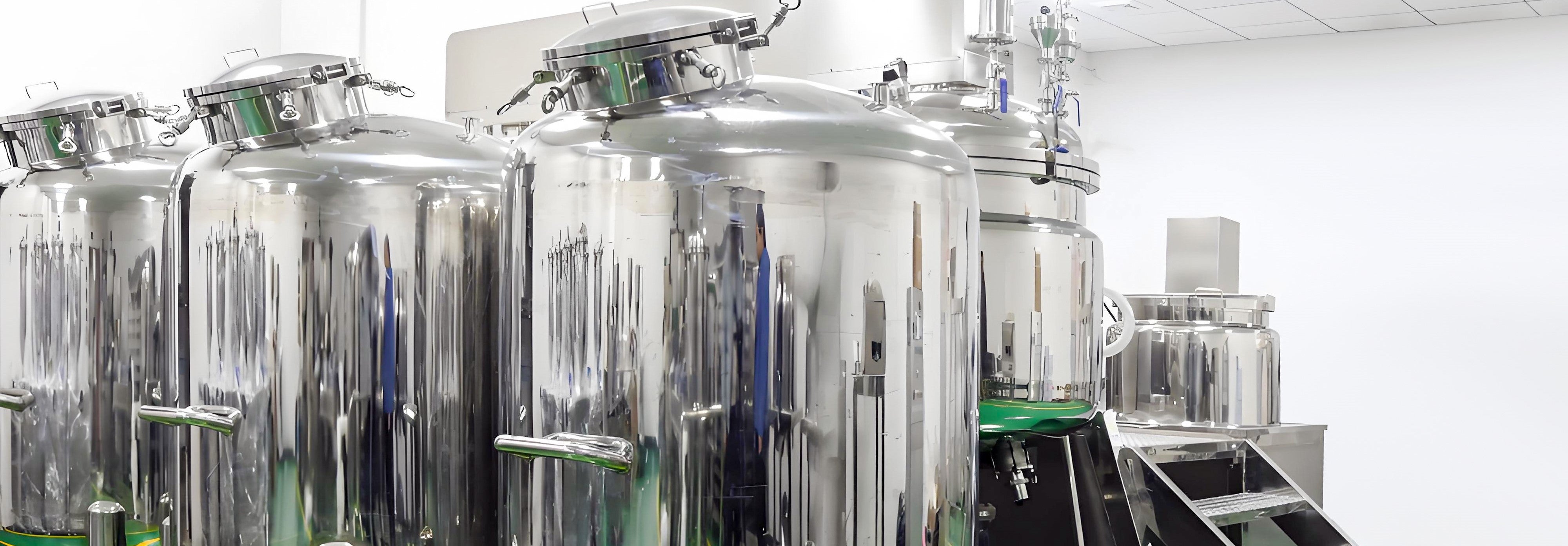
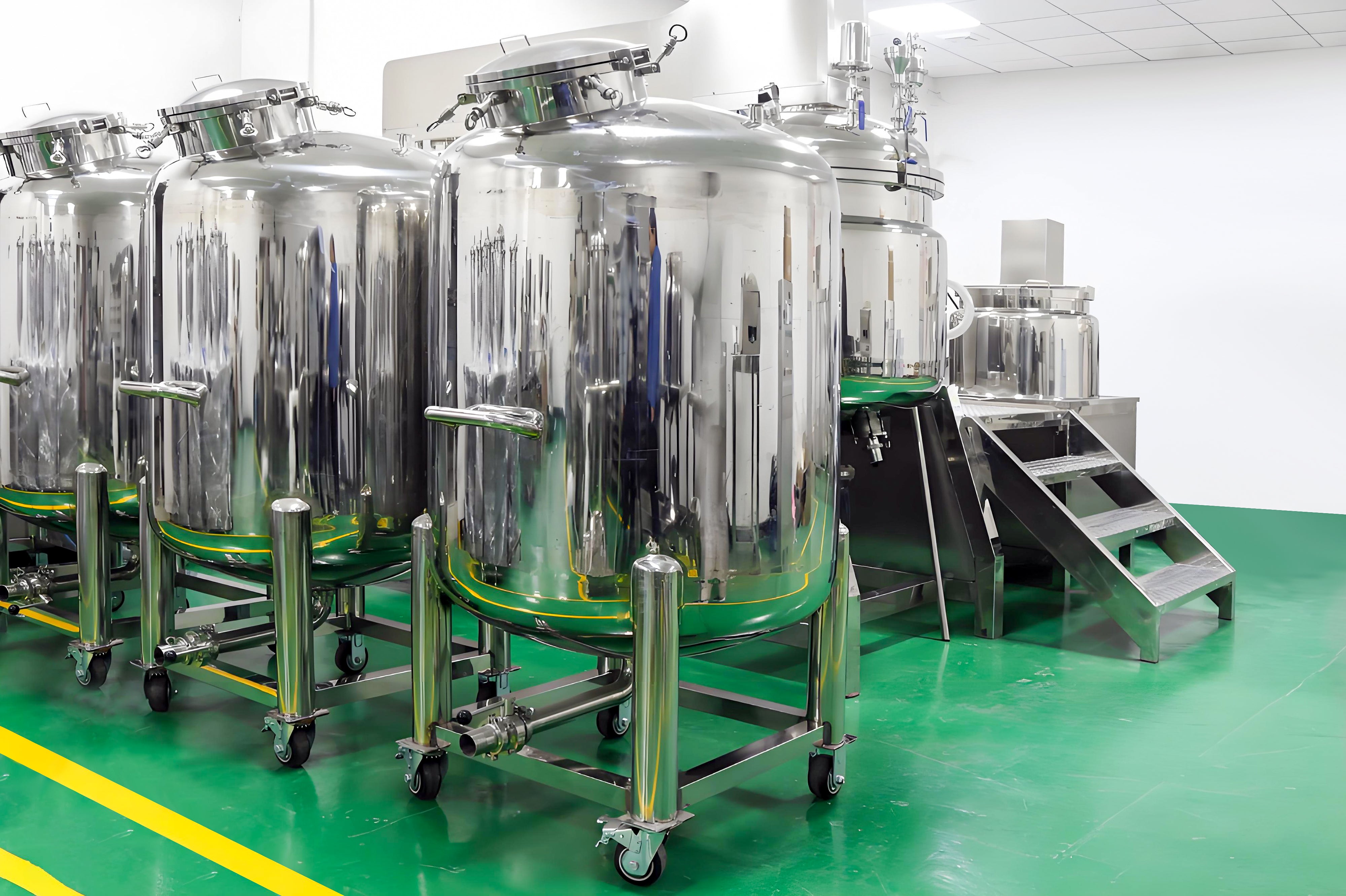
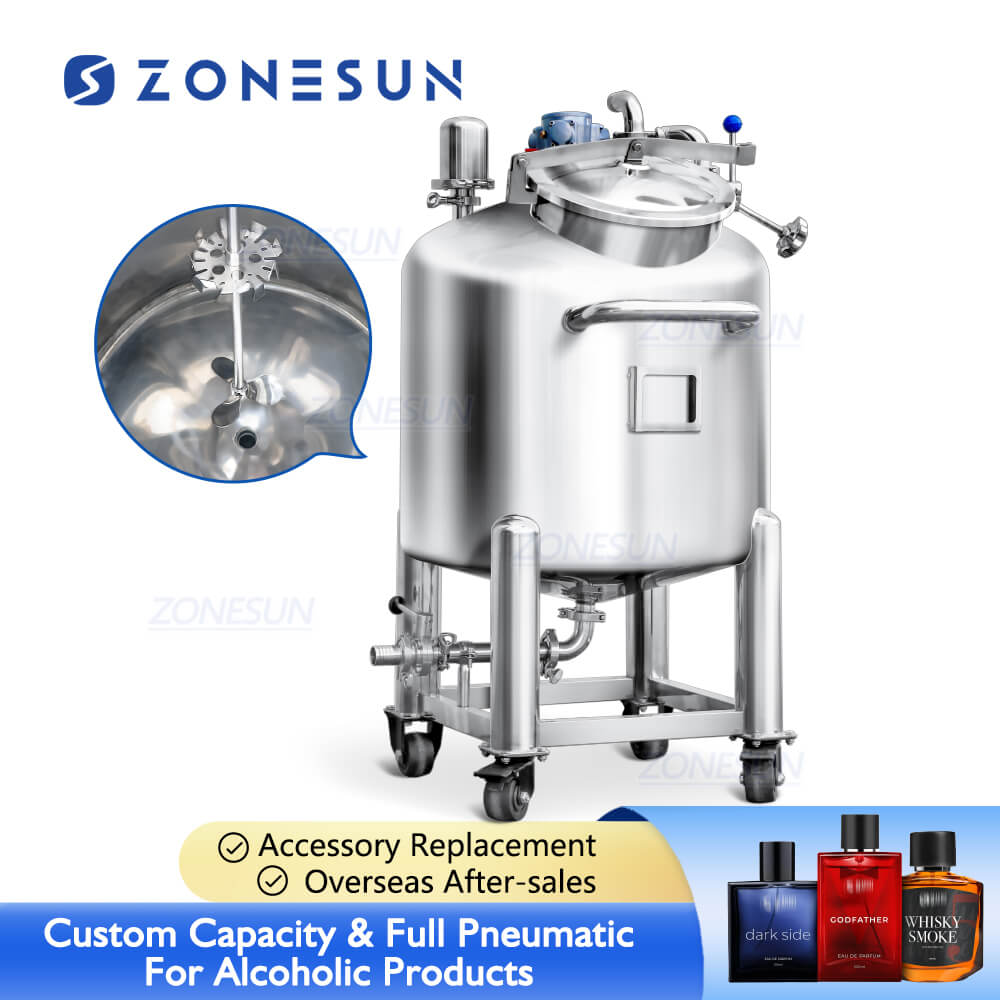
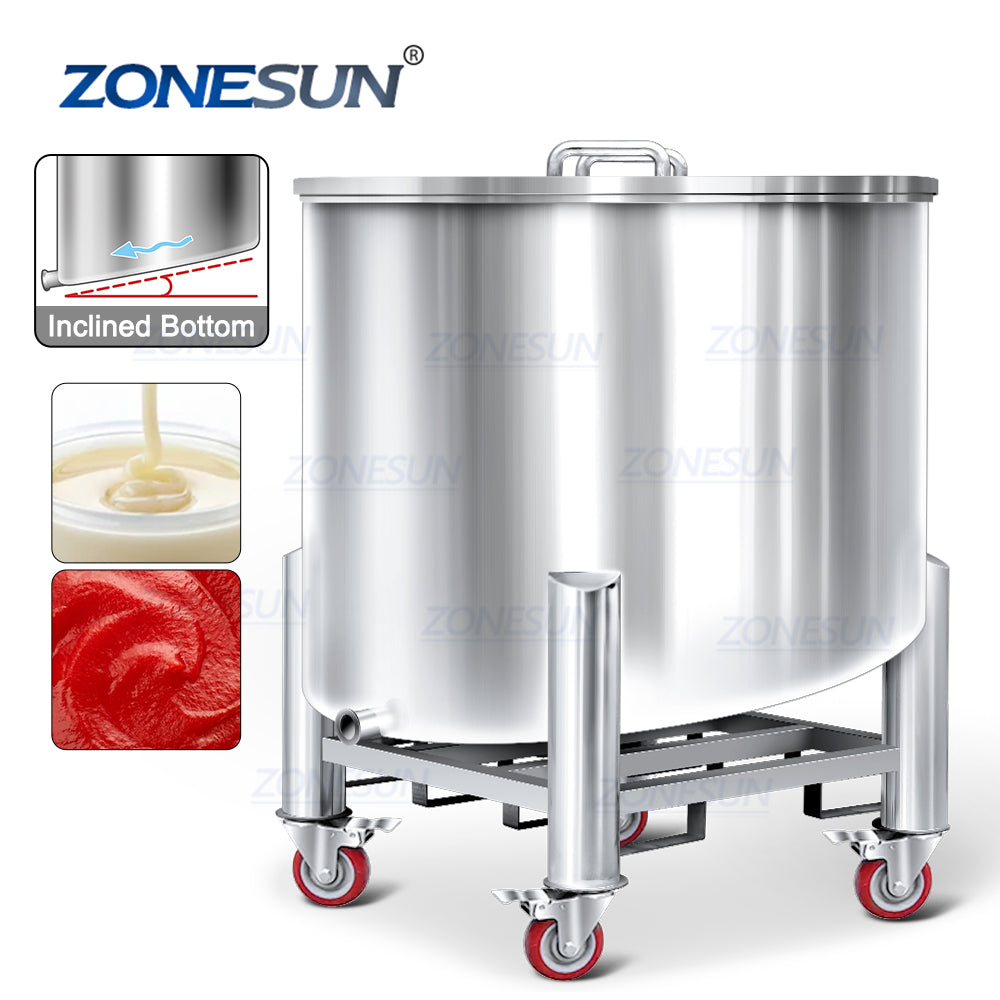
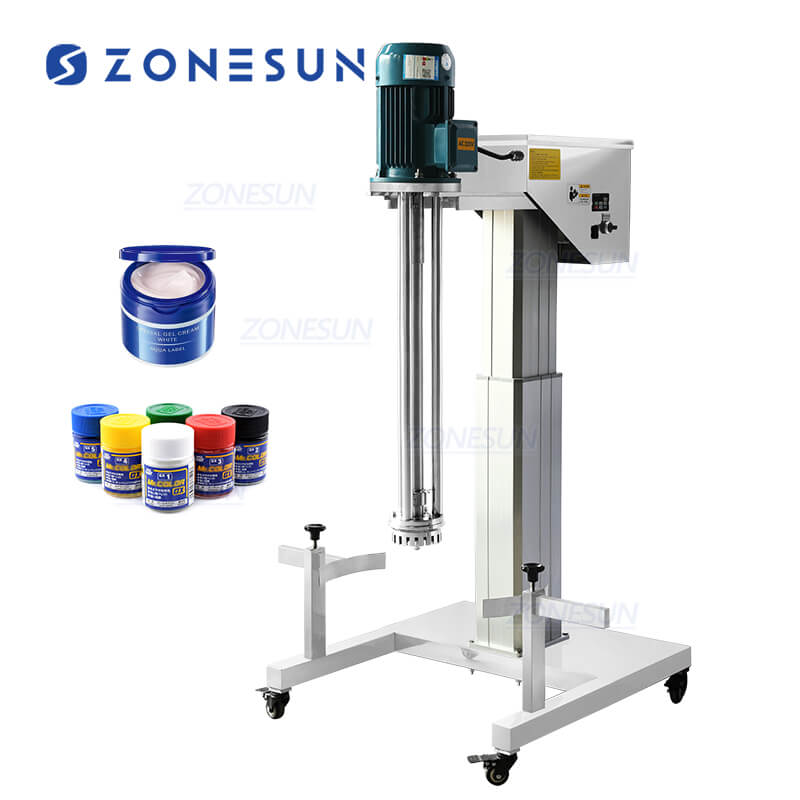
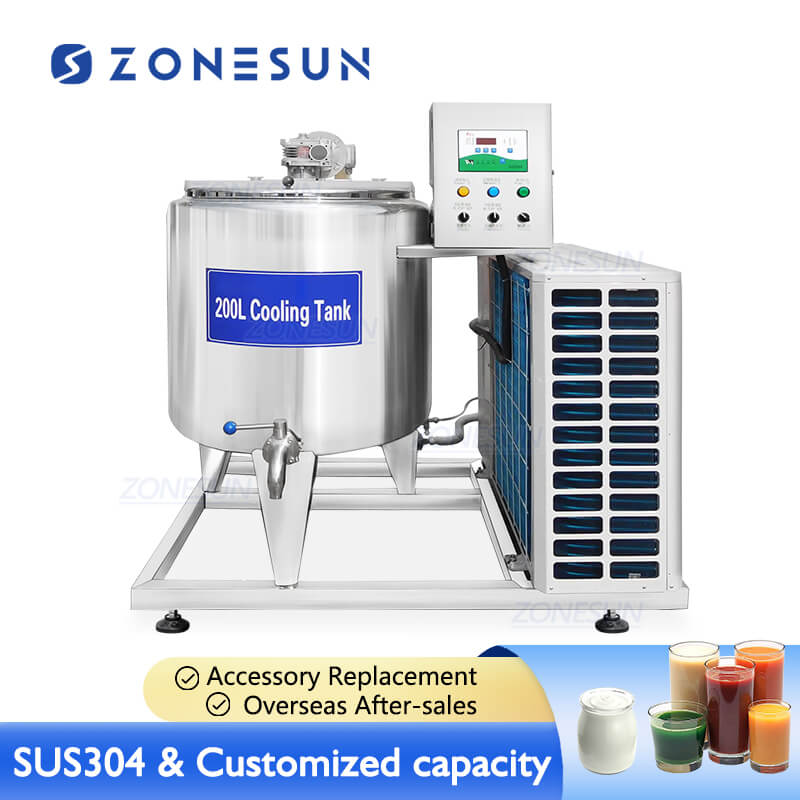
يمكن أن يجمع الخزان أو يمزج بين مواد مختلفة ، غالبًا السوائل ، لإنشاء خليط متجانس. خلط ضريبة القيمة المضافة يناسب الصناعات المختلفة. مثل المعالجة الكيميائية ، والغذاء والمشروبات ، ومستحضرات التجميل. يمكن أن يختلف تصميم وميزات الخزانات الخلط اعتمادًا على مادة الخلط (تطبيق أو خصائص محددة).

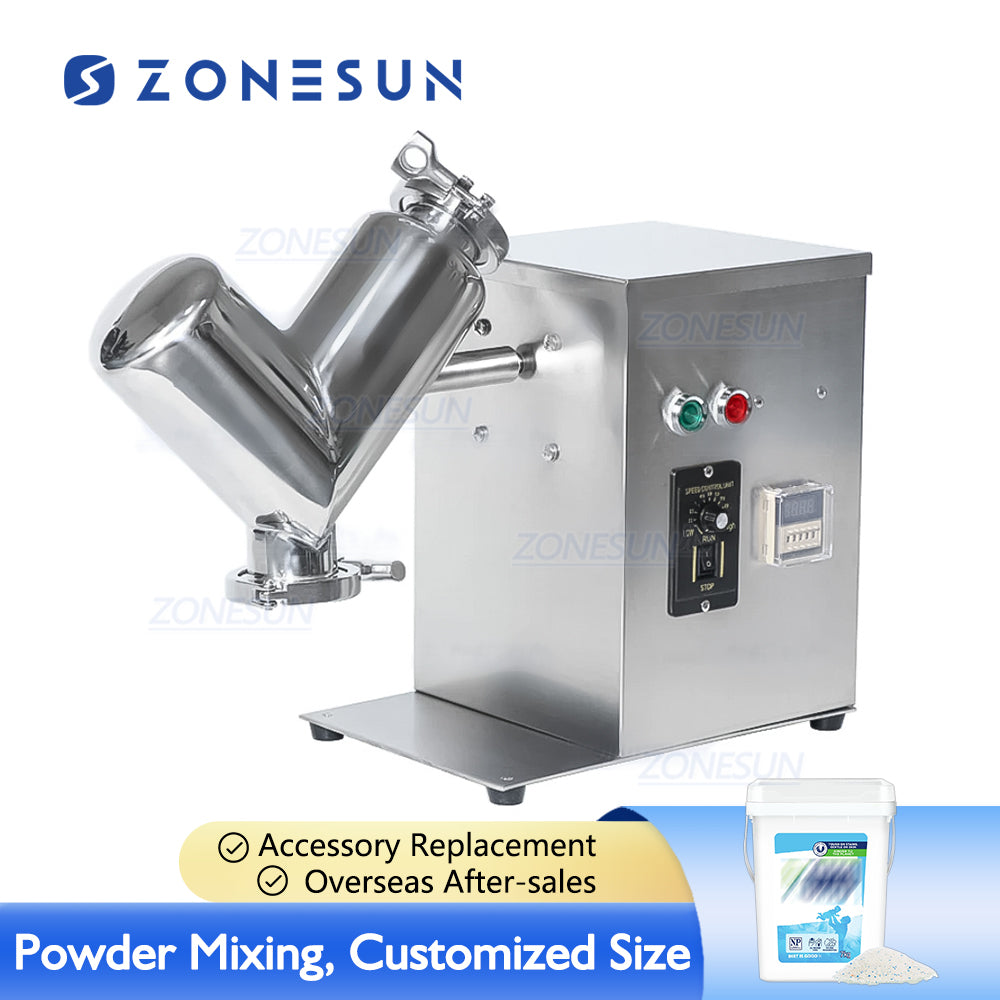

دراسات الحالة
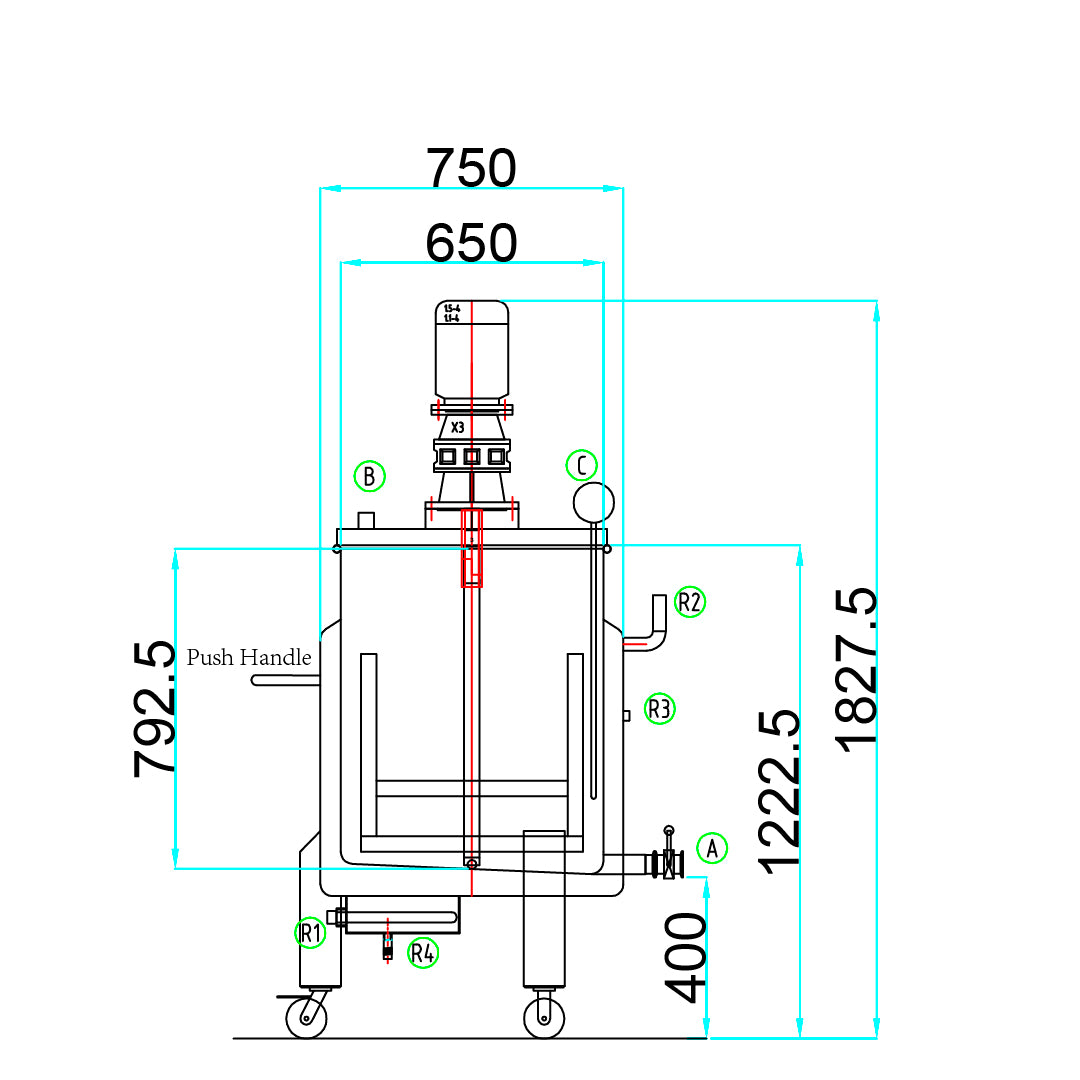
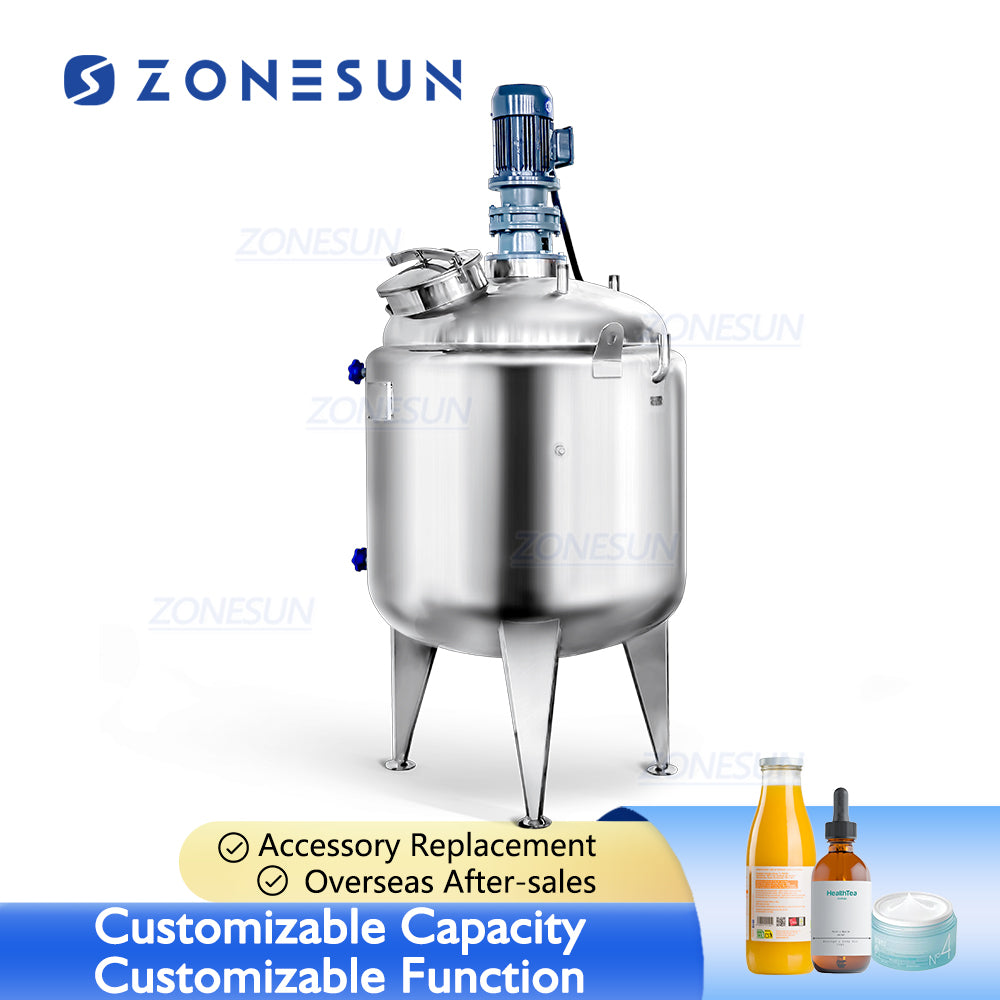
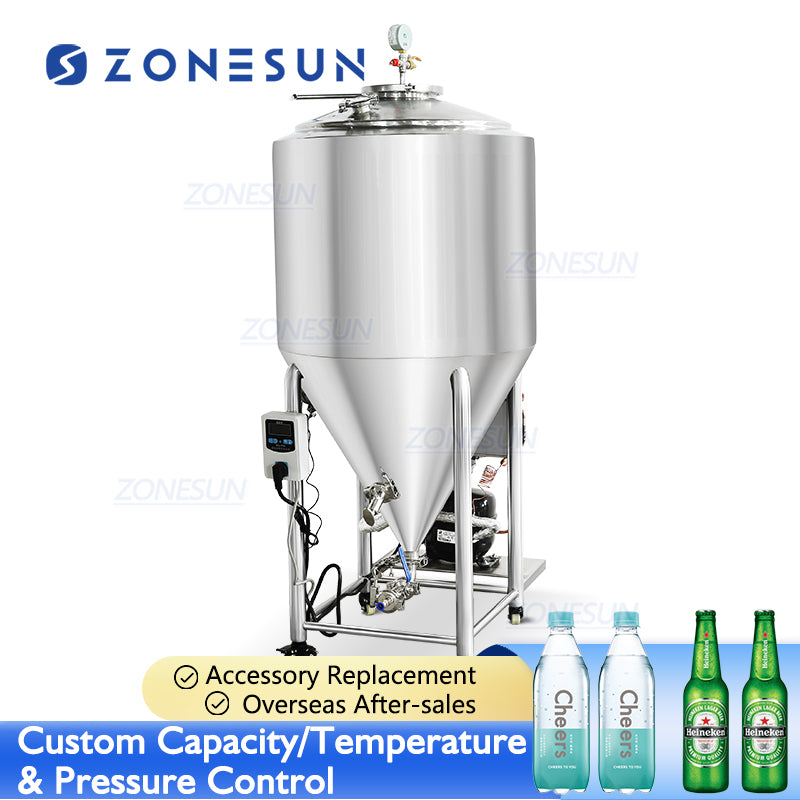
خزان خلط لتصنيع المستحضر
متطلبات: يجب أن يكون لخزان الخلط تصميم قاع مائل ، مجهز بوظيفة تسخين. لا تحتاج سرعة التحريك إلى أن تكون مرتفعة للغاية ، ولكن يجب أن تكون قادرة على الحفاظ على درجة حرارة المستحضر أثناء الإنتاج مع توفير الخلط المستمر لخطوة الإنتاج التالية. السعة: 200 لتر.
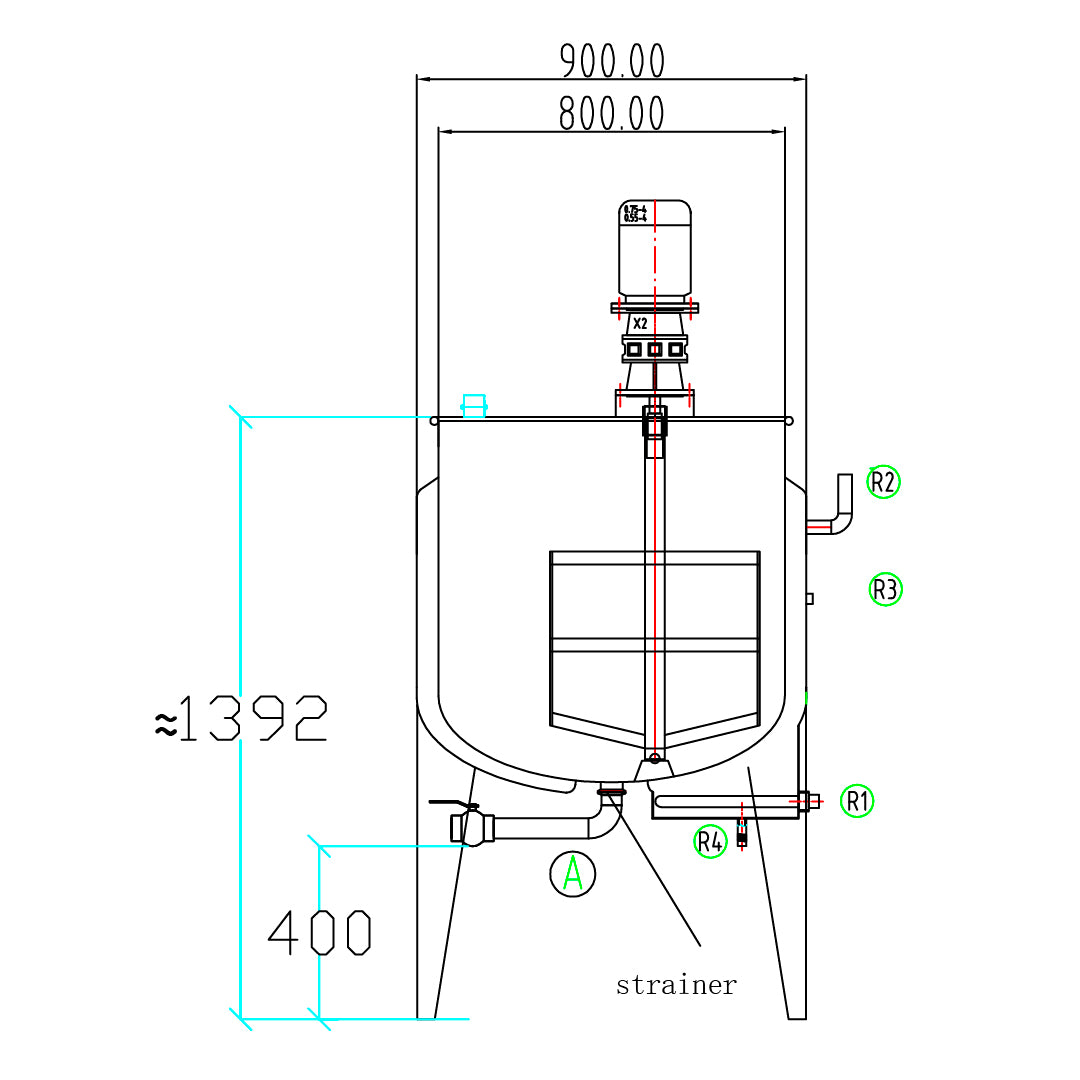
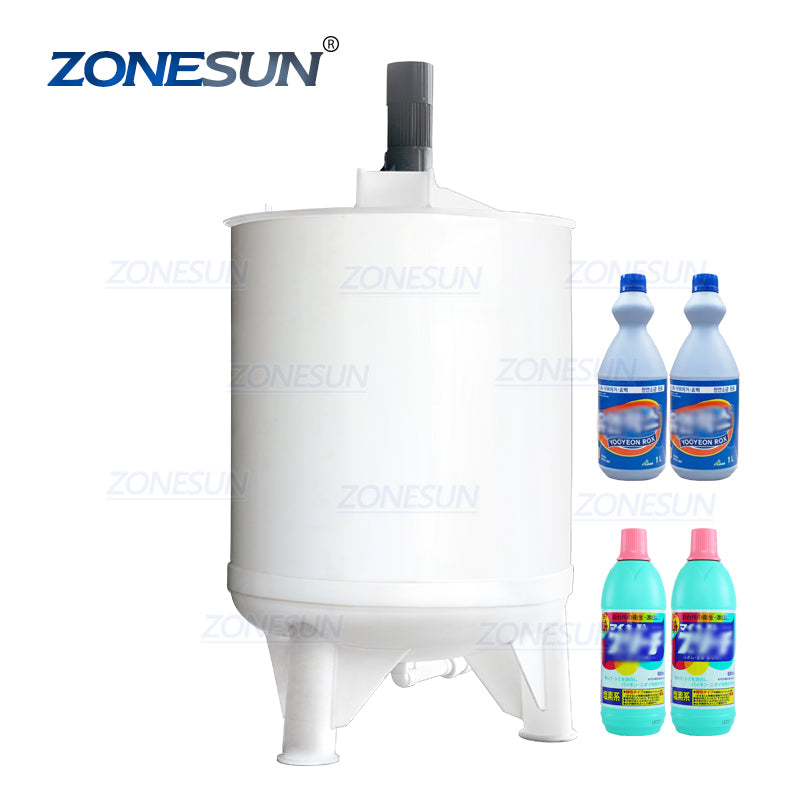
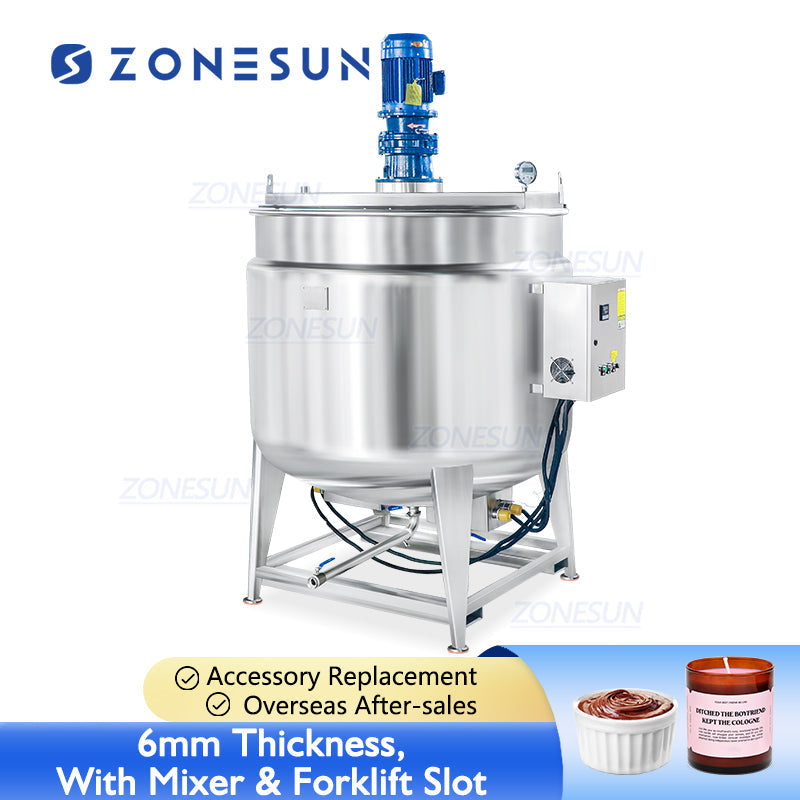
خزان خلط للأملاح الكيميائية-أستراليا
متطلبات: يحتاج خزان الخلط إلى توفير الخلط المستمر ، مع المثبتات المثبتة على الجانب وليس في الوسط. يجب أن يكون قادرًا على الاتصال بجهاز التعبئة ، والحصول على غطاء منفتح ، ويكون مجهزًا بوظيفة ترشيح في الأسفل. السعة: 300 لتر.
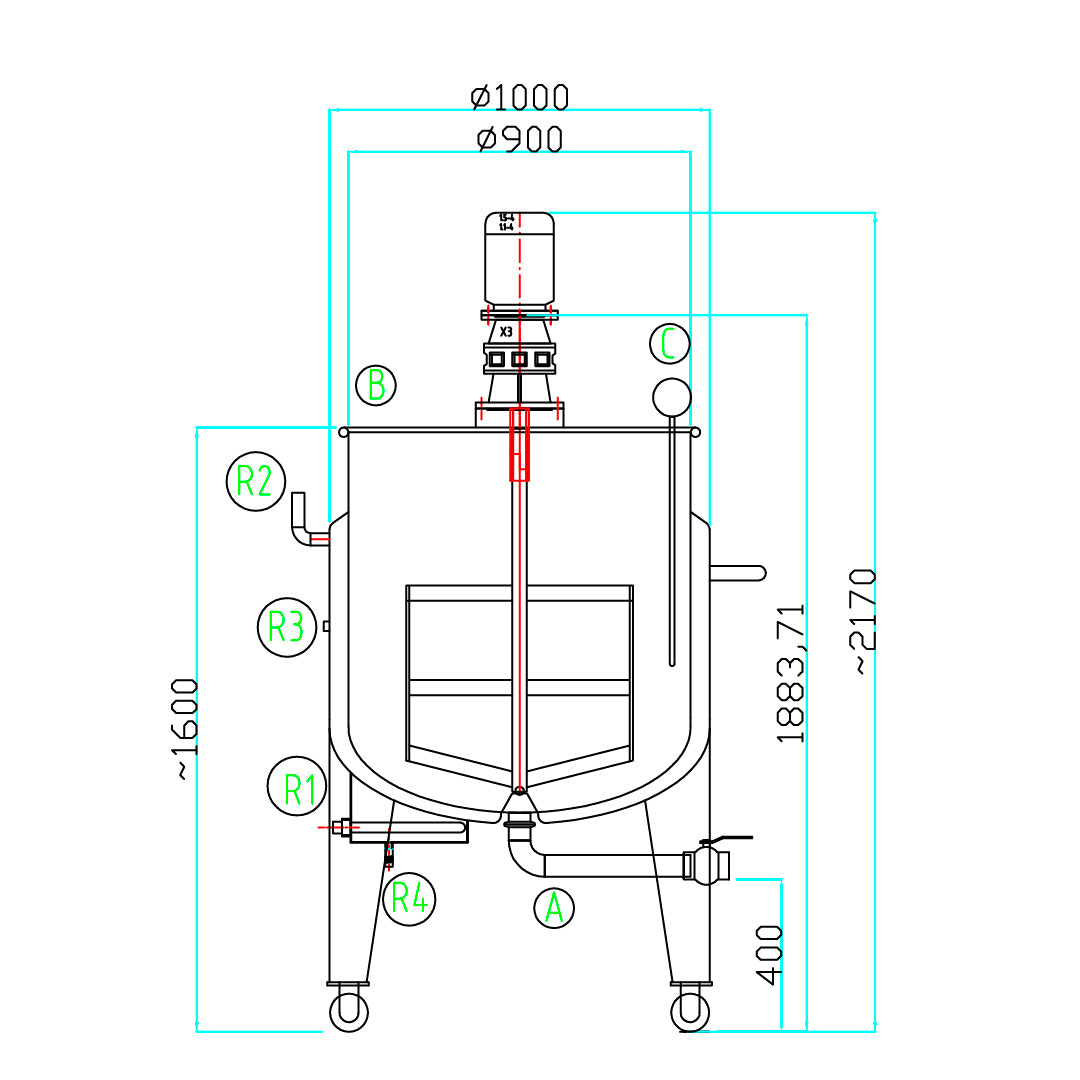
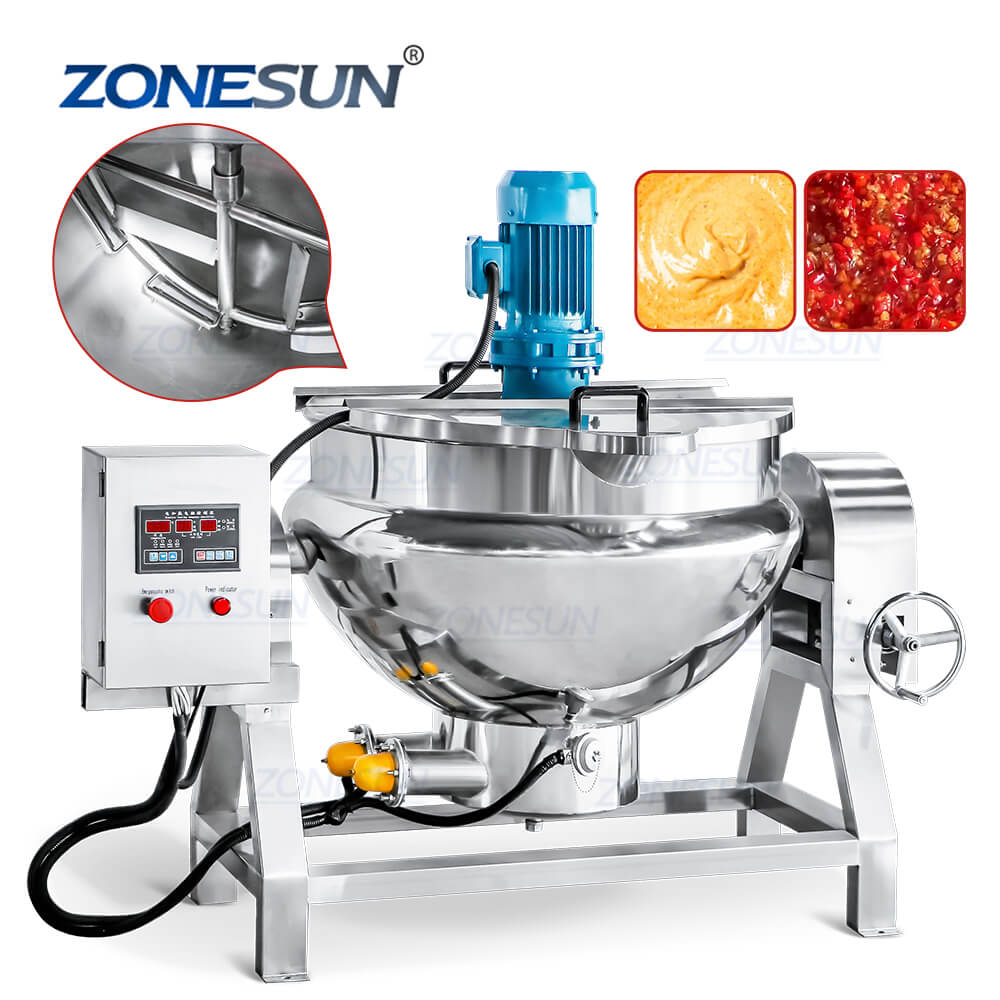
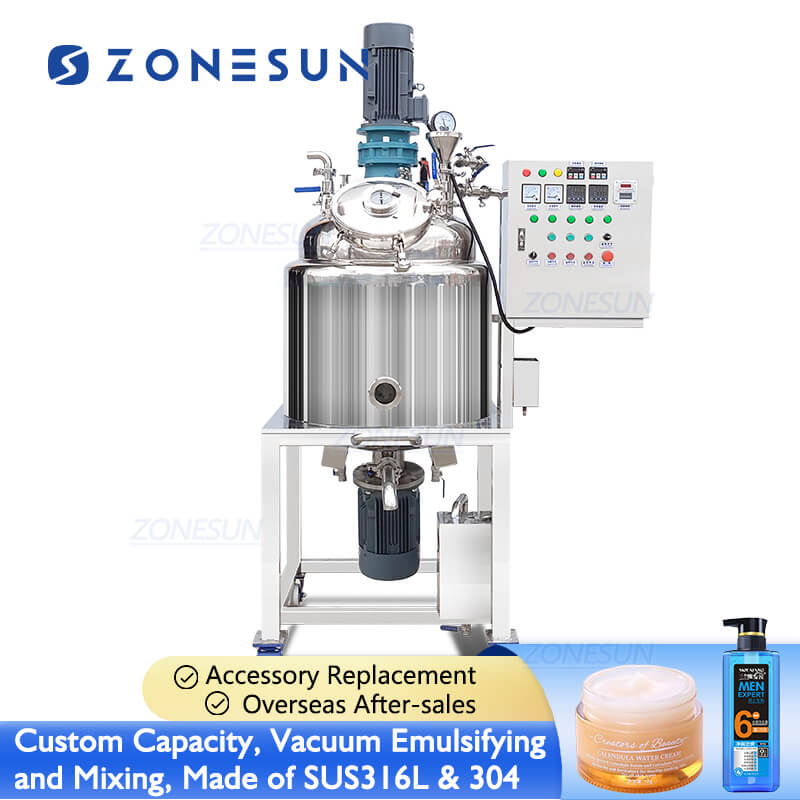
مزج الخزان للمشروبات المنتجة-USA
متطلبات: يجب أن يكون للنظام طاقة أعلى لإذابة السكر والشاي بسرعة. يجب تجهيزه بكرة رش للتواصل مع نظام CIP للتنظيف السريع. السعة: 500 لتر.
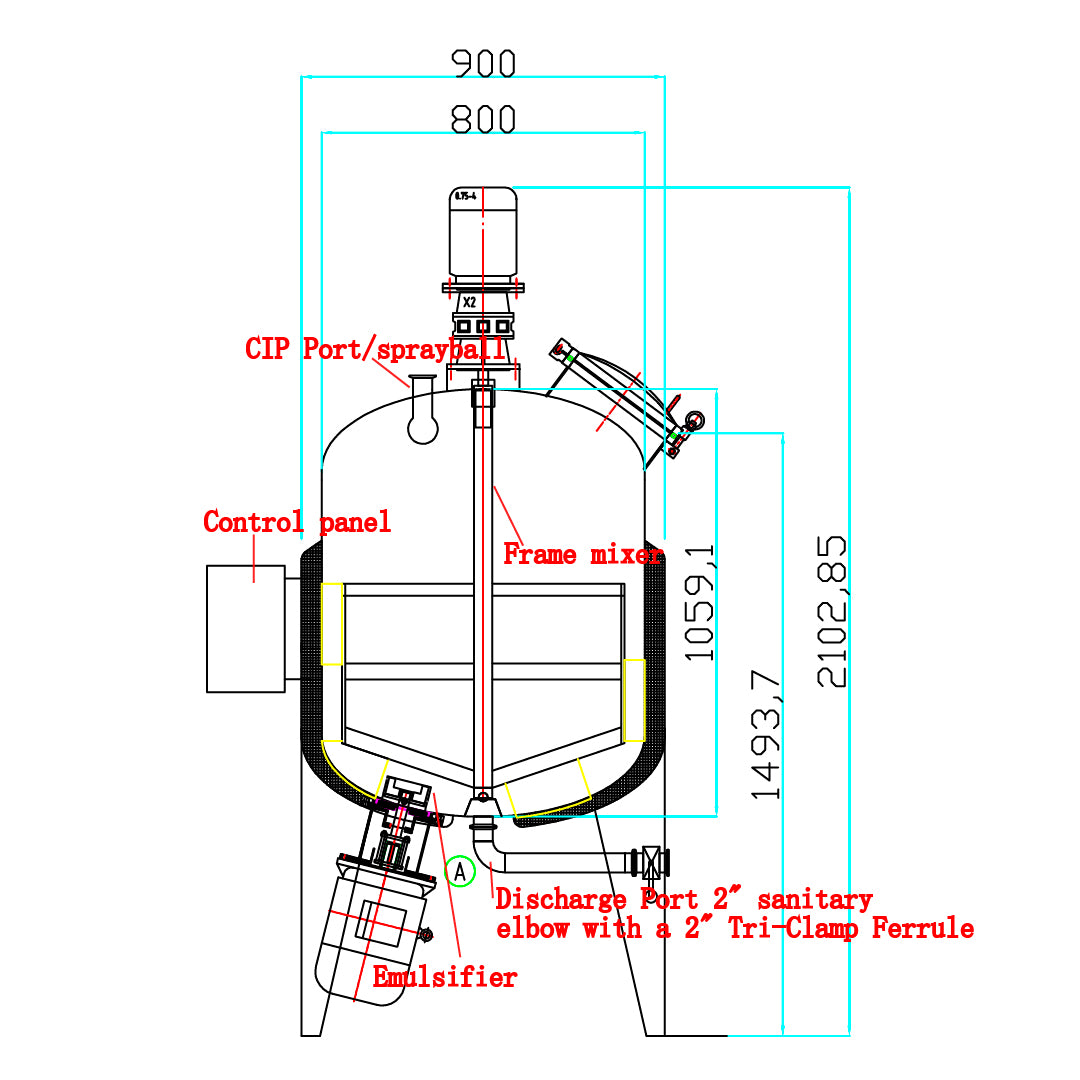
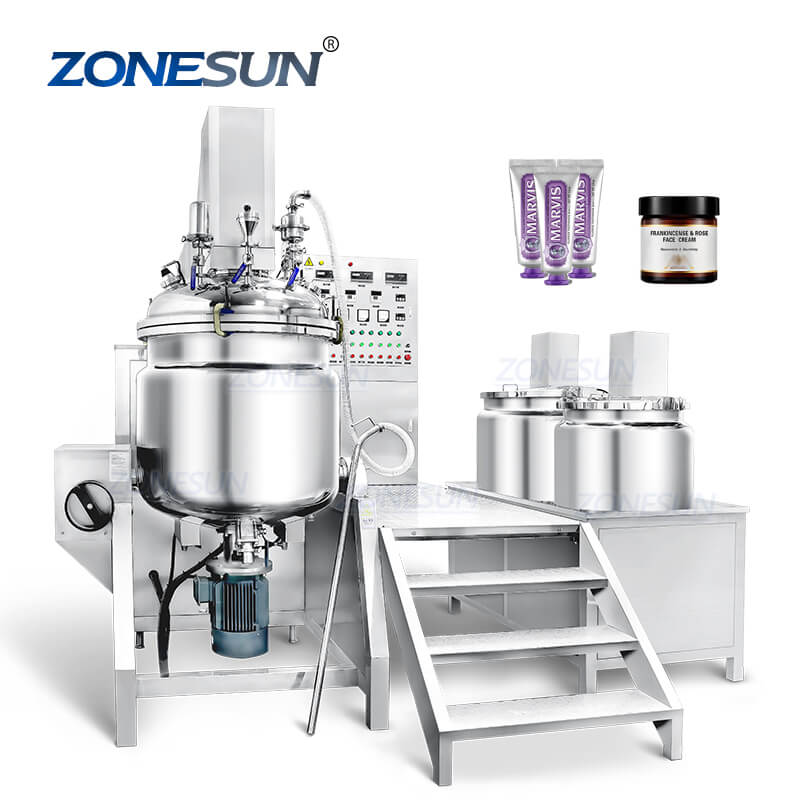
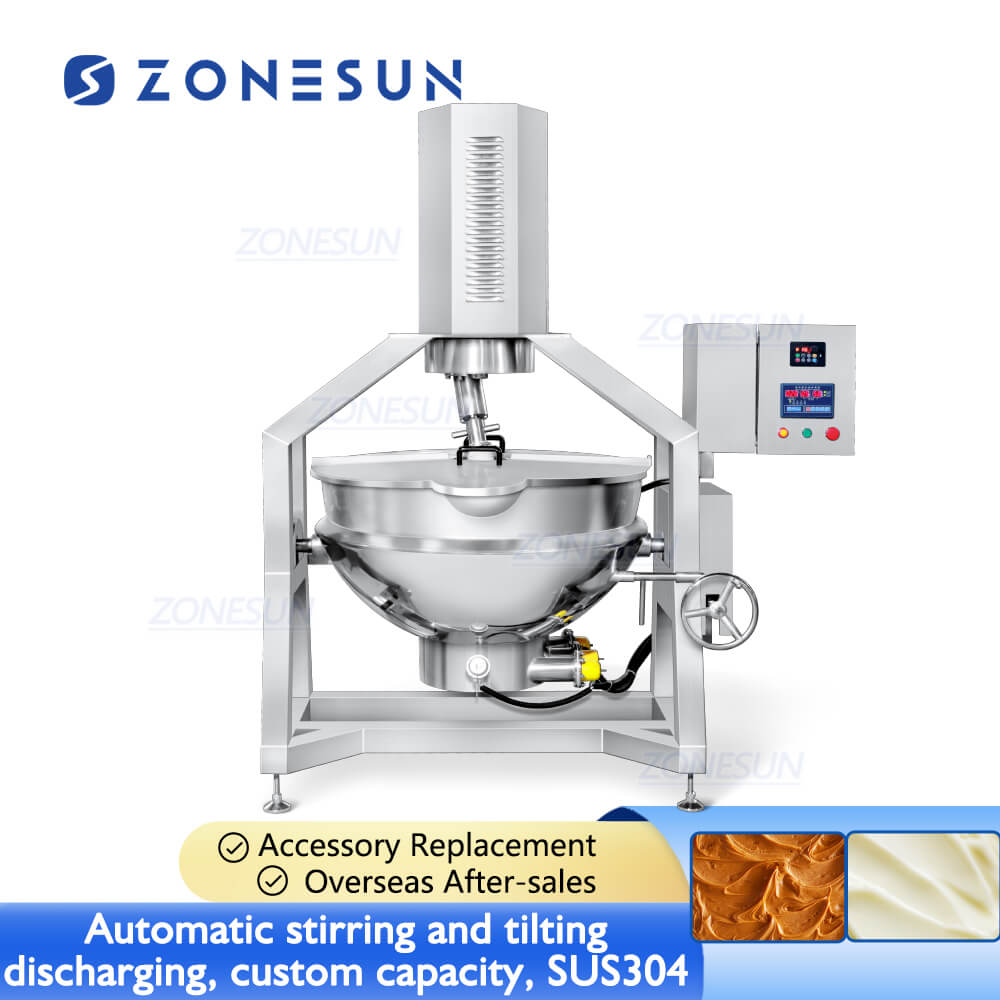
خزان خلط لخضروات الجليسرين-USA
متطلبات: مناسبة للجلسرين الخضار مع لزوجة 880 cps ، مزودة بكرة رش للاتصال بنظام CIP موجود. يجب أن تتجاوز سرعة الدوران 1700 دورة في الدقيقة. السعة: 300 لتر.
FAQs of Mixing Tank (Mixing Vessel)
Find answers to common questions about our products and services.
Machine Selection
Find the right solution for your requirements.
Customization
Flexible configurations for your needs.
Technical Support
Installation, training and after-sales service.
What is a mixing tank?
A mixing tank (also called mixing pit or mixing vessel ) is a vessel designed to blend, emulsify, or homogenize multiple materials. it is widely used in industries such as food & beverage, chemicals, cosmetics, daily chemical and pharmaceuticals.
What are the main components of a mixing tank?
1. Tank body
2. Agitator motor/gearbox
3. Mixing blades (anchor, paddle, turbine, helical agitator etc.)
4. Support frame or base5. Inlet/outlet ports6. Optional: heating/cooling jacket, weighing system, cip (clean-in-place) system
What materials are mixing tanks made from?
Typically stainless steel (SUS304 or 316), but PP materials are also used depending on the product’s properties.
How to choose the right mixing blade type?
Consider:
1. viscosity of the product
2. whether emulsification or dispersion is needed
3. presence of solid particles
4. desired mixing results (shear, circulation, heat exchange, etc.)then select a blade design like anchor, propeller, frame type,turbine, or ribbon.
Can a mixing tank heat or cool materials?
Yes. many mixing tanks come with a jacket that allows oil heating or chilled water circulation to maintain specific temperatures.
Is a mixing tank easy to clean?
Yes. optional cip systems or quick-release designs make cleaning and maintenance convenient.What capacity options are available?from small lab-scale tanks (tens of liters) to large industrial tanks of tens of thousands of liters, customized capacities are available.
What type of thermal oil should we use? Is ISO VG 32 required?
We recommend using Great Wall No. 320 thermal oil. If this grade is unavailable, Great Wall No. 350 thermal oil can be used instead. ISO VG 32 is not the specified requirement.
What is the required temperature rating of the thermal oil?
The thermal oil should have an operating temperature range of 0–300°C (32–572°F).
For initial heating, set the thermal oil temperature to approximately 150°C to help warm up the material. Once the product temperature reaches around 40–50°C (104–122°F), reduce the thermal oil temperature setting to 60°C (140°F).
Does the thermal oil need to circulate through the jacket? Is a pump required?
No circulation pump is required. The thermal oil remains inside the heating jacket and does not need to be circulated by an external pump.
How much thermal oil should be added when the tank is cold?
For a 500 L tank, approximately 85 L of thermal oil should be added.
Is it necessary to flush the heating jacket before adding new thermal oil? What should we do before first use?
Before adding thermal oil, make sure all water has been completely drained from the heating jacket.
After filling the jacket with thermal oil, set the heating temperature to 50°C and run the heating system for approximately 2–3 hours before normal operation. This helps evaporate any residual moisture inside the jacket and prevents water from remaining in the heating system.
How should the mixing tank be cleaned?
The tank can be cleaned using hot water or clean water. During cleaning, take care to prevent water from entering the motor and gearbox, heating elements, and electrical control cabinet. These components must be kept dry.
Request a Custom Solution
Tell us about your product and requirements. Our team will help you find a suitable solution.
الفئات الشعبية ذات الصلة



من المدونة
عرض الكل


