


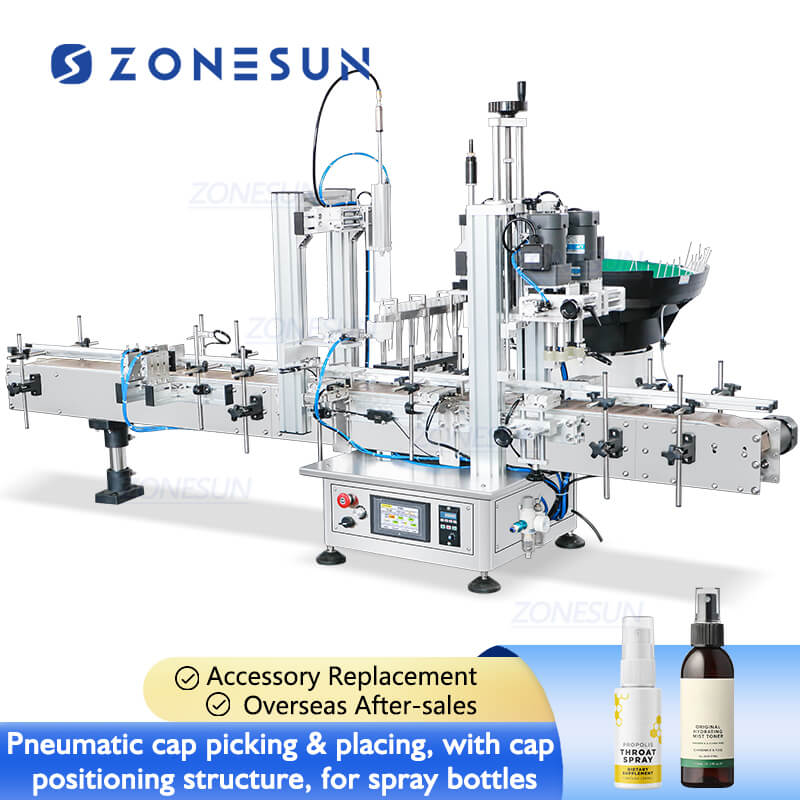
สายการบรรจุขวดแบบสมบูรณ์: จากคอนเทนเนอร์เปล่าไปจนถึงผลิตภัณฑ์สำเร็จรูป
ขวดที่เต็มแล้วมีการรั่วไหลไม่ใช่ปัญหาในการเติม เป็นปัญหาการเติมที่ขั้นตอนการเติมไม่สามารถคาดเดาได้ ขวดที่มีฝาปิดอย่างถูกต้องและมีฉลากที่มีการปนเปื้อนไม่ใช่ปัญหาในการติดฉลาก แต่เป็นเหตุการณ์การปนเปื้อนที่เข้าสู่กระบวนการก่อนที่จะเริ่มการติดฉลาก
การบรรจุขวดล้มเหลวในขั้นตอนที่ได้รับการจัดการอย่างไม่ถูกต้อง แต่ผลที่ตามมาจะปรากฏขึ้นในภายหลัง นั่นคือสิ่งที่ทำให้ประสิทธิภาพแต่ละขั้นตอนขึ้นอยู่กับสิ่งที่ส่งมาก่อนหน้านี้ — และเหตุใดการประมวลผลกระบวนการเสมือนเป็นการรวบรวมเครื่องจักรอิสระจึงให้ผลลัพธ์ที่สายการผลิตที่ผสานรวมอย่างเหมาะสมไม่ได้
การใช้งานด้านเภสัชกรรม เทคโนโลยีชีวภาพ เครื่องสำอาง และในห้องปฏิบัติการล้วนมีข้อกำหนดพื้นฐานที่เหมือนกัน: ขวดทุกใบที่ออกจากสายการผลิตจะต้องสะอาด บรรจุอย่างถูกต้อง ปิดสนิท และติดฉลากอย่างถูกต้อง คู่มือนี้ครอบคลุมถึงวิธีการทำงานของแต่ละขั้นตอน ประโยชน์ของขั้นตอนเหล่านี้ต่อผลิตภัณฑ์สำเร็จรูป และสิ่งที่กำหนดว่าสายการบรรจุขวดได้รับการกำหนดค่าอย่างถูกต้องสำหรับการใช้งานเฉพาะหรือไม่

สายการบรรจุขวดแบบสมบูรณ์คืออะไร?
ระบบการผลิตแบบครบวงจรที่นำขวดเปล่าผ่านทุกขั้นตอนของกระบวนการบรรจุภัณฑ์ และผลลัพธ์ที่เสร็จสิ้นแล้ว ผลิตภัณฑ์ที่มีฉลากพร้อมสำหรับบรรจุภัณฑ์รองหรือการจำหน่าย
ลำดับทั่วไป:
การโหลดขวด → การล้างขวด → การทำหมัน → การบรรจุ → การหยุด → การกำหนดอลูมิเนียม → การตรวจสอบ → การติดฉลาก → การบรรจุกล่อง
แต่ละขั้นตอนจะผ่านเงื่อนไขเฉพาะไปยังขั้นตอนถัดไป ขวดที่ออกจากการล้างโดยมีสิ่งปนเปื้อนตกค้างจะนำสิ่งปนเปื้อนนั้นไปบรรจุ สต๊อปเปอร์ที่วางไม่ถูกต้องส่งผลต่อการย้ำที่ตามมา การย้ำที่ไม่สำเร็จจะส่งผลต่อฉลากที่อยู่ด้านบน
สายการบรรจุขวดแบบสมบูรณ์อาจรวมถึง:
- เครื่องซักผ้าขวด
- เครื่องบรรจุขวด
- เครื่องหยุด
- เครื่องปิดฝาขวดและปิดฝาขวด
- ระบบการตรวจสอบ
- เครื่องติดฉลากขวด
- เครื่องแพ็คกล่อง
การกำหนดค่าขึ้นอยู่กับผลิตภัณฑ์ สภาพแวดล้อมด้านกฎระเบียบ และขนาดการผลิต

1. การล้างขวด: การเตรียมภาชนะก่อนบรรจุ
ขวดเปล่ามาจากการผลิตและขนส่งอนุภาค ฝุ่น และสารตกค้างบนพื้นผิวภายใน การเติมลงในขวดที่ปนเปื้อนจะทำให้การปนเปื้อนเข้าสู่ผลิตภัณฑ์โดยตรง ไม่มีขั้นตอนปลายน้ำที่จะแก้ไขได้
วิธีการทำความสะอาดสามวิธีจัดการกับการปนเปื้อนประเภทต่างๆ:
การล้างน้ำ ขจัดอนุภาคบนพื้นผิว ฝุ่น และสารตกค้างจากการผลิตผ่านการสัมผัสโดยตรง สำหรับการใช้งานด้านเภสัชกรรม การล้างด้วยน้ำบริสุทธิ์จะต้องเป็นไปตามมาตรฐานความสะอาดของภาชนะบรรจุ ซึ่งน้ำประปาหรือน้ำที่ใช้ในกระบวนการผลิตไม่เป็นไปตามมาตรฐาน
เป่าลม ขจัดอนุภาคขนาดเล็กและความชื้นที่เหลืออยู่หลังการซัก ขวดที่นำความชื้นเข้าสู่กระบวนการบรรจุที่ออกแบบมาสำหรับผลิตภัณฑ์ที่ปราศจากน้ำจะทำให้เกิดตัวแปรการปนเปื้อนที่ทั้งความแม่นยำในการบรรจุและความสมบูรณ์ของการปิดผนึกไม่สามารถชดเชยได้
ระบบการซักจะกำหนดค่าให้ตรงกับขนาดขวด ความเร็วในการผลิต และข้อกำหนดด้านความสะอาดเฉพาะที่ผลิตภัณฑ์ต้องการ สำหรับการใช้งานด้านเภสัชกรรมส่วนใหญ่ การล้างและการฆ่าเชื้อจะรวมกันเป็นขั้นตอนการเตรียมการเดียวก่อนที่จะเริ่มการบรรจุ

2. การทำหมันขวด
การซักจะขจัดการปนเปื้อนของอนุภาค การทำหมันช่วยลดปริมาณจุลินทรีย์ สำหรับผลิตภัณฑ์ยาปลอดเชื้อ จำเป็นต้องมีทั้งสองอย่าง การล้างเพียงอย่างเดียวไม่ได้ทำให้ภาชนะมีสภาพที่ต้องบรรจุแบบปลอดเชื้อ
อุโมงค์ฆ่าเชื้อด้วยความร้อนแห้ง — โซลูชันมาตรฐานสำหรับการผลิตขวดยาแบบต่อเนื่อง ขวดจะผ่านโซนควบคุมอุณหภูมิซึ่งจะฆ่าเชื้อภายในภาชนะในขณะที่ท่อยังคงเคลื่อนที่ อุโมงค์ตั้งอยู่ระหว่างการล้างและการบรรจุ ดังนั้นขวดที่ผ่านการฆ่าเชื้อจึงถ่ายโอนโดยตรงไปยังสภาพแวดล้อมการบรรจุโดยไม่ต้องสัมผัสกับพื้นที่การผลิตโดยรอบ
ข้อกำหนดในการฆ่าเชื้อขึ้นอยู่กับประเภทผลิตภัณฑ์ มาตรฐานการผลิต และการจำแนกประเภทความปลอดเชื้อ การใช้งานในขวดบางประเภทไม่จำเป็นต้องผ่านการฆ่าเชื้อ — การใช้งานด้านเครื่องสำอางและในห้องปฏิบัติการมักไม่ต้องการ การฉีดยาโดยทั่วไปจะทำ

3. การบรรจุขวด
ขั้นตอนการเติมจะกำหนดความแม่นยำของปริมาณการเติม ทุกอย่างต้นน้ำเตรียมภาชนะ ทุกสิ่งที่ปลายน้ำจะปกป้องสิ่งที่บรรจุอยู่ภายใน
คุณลักษณะของผลิตภัณฑ์เป็นตัวกำหนดว่าเทคโนโลยีการบรรจุแบบใดที่นำไปใช้:
การเติมปั๊มรีดท่อ — ของเหลวสัมผัสกับท่อเท่านั้น ไม่เคยสัมผัสกับกลไกของปั๊ม สำหรับสารละลายแบบฉีด ของเหลวที่เป็นน้ำ เซรั่มเครื่องสำอาง และของเหลวที่ละเอียดอ่อนหรือมีมูลค่าสูงอื่นๆ การแยกดังกล่าวจะช่วยลดความเสี่ยงในการปนเปื้อนและทำให้การทำความสะอาดระหว่างผลิตภัณฑ์ต่างๆ ตรงไปตรงมา การเปลี่ยนท่อจะรีเซ็ตพื้นผิวสัมผัสทั้งหมด
ไส้ปั๊มเซรามิค — ความต้านทานการสึกหรอและความเฉื่อยทางเคมีทำให้ปั๊มเซรามิกเหมาะกับสูตรที่มีมูลค่าสูง โดยที่พื้นผิวปั๊มโลหะจะมีปฏิกิริยากับเคมีของผลิตภัณฑ์ ความแม่นยำในการเติมจะคงไว้ตลอดการดำเนินการผลิตที่ยาวนาน เนื่องจากเซรามิกจะสึกหรอช้ากว่าโลหะภายใต้การหมุนเวียนซ้ำๆ
การเติมลูกสูบ — สำหรับเจล ส่วนผสมเครื่องสำอางที่มีความหนืดสูงและสูตรยาที่หนาขึ้น การเคลื่อนตัวของลูกสูบจะดันปริมาตรคงที่ต่อจังหวะ ไม่ว่าผลิตภัณฑ์จะต้านทานการไหลอย่างไร เหมาะสำหรับการใช้งานที่มีความหนืดสูงเพียงพอที่ระบบที่ขึ้นกับการไหลจะเติมเต็มภายใต้ความต้านทาน
ปัจจัยที่ส่งผลต่อประสิทธิภาพการบรรจุ: ความหนืดของของเหลว ปริมาตรการเติม การออกแบบหัวฉีด การเลือกปั๊ม และความเร็วในการผลิต การทำปั๊มและหัวฉีดไม่ถูกต้องทำให้เกิดการผสมผสานที่ลงตัวกับกระดาษและมีประสิทธิภาพต่ำกว่าในการผลิต

4. การหยุดและการกำหนดสูงสุด
หลังจากเติมแล้ว ต้องปิดผนึกขวดก่อนที่สิ่งอื่นจะสัมผัสได้ ลำดับการปิดผนึกมีสองขั้นตอน และทั้งสองขั้นตอนมีความสำคัญ
ตำแหน่งสต็อปเปอร์ — จุกปิดช่องเปิดขวดและสัมผัสกับผลิตภัณฑ์โดยตรง ตำแหน่งที่ไม่ถูกต้องทำให้เกิดช่องว่างที่คอขวดซึ่งการย้ำอะลูมิเนียมไม่สามารถแก้ไขได้ สต๊อปเปอร์ที่อยู่นอกศูนย์กลางเล็กน้อยจะสร้างเส้นทางซีลที่หัวย้ำไม่สามารถบีบอัดให้เท่ากันได้
การจีบอลูมิเนียม — หัวย้ำจะบีบอัดสเกิร์ตอะลูมิเนียมรอบคอขวดหลังจากที่ตัวหยุดเข้าที่แล้ว ความลึกของหางปลาและมุมพับจะกำหนดความสมบูรณ์ของซีล ตื้นเกินไปและซีลหลวม ลึกเกินไปและอะลูมิเนียมเปลี่ยนรูปในลักษณะที่ทำให้ขอบซีลอ่อนลงแทนที่จะทำให้แข็งแรงขึ้น
คุณภาพการย้ำขึ้นอยู่กับวัสดุฝา รูปทรงคอขวด แรงกดย้ำ และการปรับเครื่องมือ การตั้งค่าที่ไม่ถูกต้องจะทำให้แคปหลวม ซีลอะลูมิเนียมผิดรูป หรือการย้ำที่ไม่สอดคล้องกันซึ่งดูถูกต้องแต่ล้มเหลวภายใต้การจัดเก็บหรือแรงกดดันในการขนย้าย

5. การติดฉลากขวด
ฉลากของขวดถือเป็นเอกสารการปฏิบัติตามข้อกำหนดพอๆ กับส่วนประกอบของบรรจุภัณฑ์ หมายเลขชุดงาน, วันที่ผลิต, วันหมดอายุ, ชื่อผลิตภัณฑ์, บาร์โค้ด, รหัส DataMatrix — ทั้งหมดจะต้องมีอยู่ อ่านง่าย วางตำแหน่งอย่างถูกต้อง และสามารถอ่านได้ด้วยระบบสแกนดาวน์สตรีม
ขวดที่มีเส้นผ่านศูนย์กลางเล็กถือเป็นความท้าทายทางกล เส้นรอบวงที่น้อยลงหมายถึงระยะขอบที่น้อยลงสำหรับการวางฉลากที่เลื่อนออกไป ก่อนที่ฉลากจะจัดแนวไม่ตรงหรือครอบคลุมพื้นที่การพิมพ์ที่สำคัญอย่างเห็นได้ชัด
การติดฉลากแบบล้อมรอบ เหมาะกับขวดกลมและภาชนะทรงกระบอกที่ฉลากเคลื่อนได้เต็มเส้นรอบวง ความแม่นยำในการลงทะเบียนขึ้นอยู่กับความสามารถของเครื่องในการซิงโครไนซ์ความเร็วการป้อนฉลากกับการหมุนภาชนะ ซึ่งมองเห็นความคลาดเคลื่อนแม้แต่มิลลิเมตรบนขวดที่มีเส้นผ่านศูนย์กลางเล็ก
การติดฉลากที่มีความแม่นยำสูง สำหรับขวดยาที่มีเส้นผ่านศูนย์กลางขนาดเล็กต้องมีพิกัดความเผื่อของตำแหน่งที่เข้มงวดมากขึ้นและการใช้งานที่ควบคุมด้วยเซอร์โว สำหรับการใช้งานด้านเภสัชกรรมที่ได้รับการควบคุมซึ่งการวางฉลากเป็นส่วนหนึ่งของบันทึกคุณภาพ การตรวจสอบด้วยภาพหลังจากการติดฉลากจะเป็นการตรวจสอบแต่ละหน่วย แทนที่จะสุ่มตัวอย่างเป็นระยะ

6. เครื่องจักรทำงานร่วมกันอย่างไร
ขั้นตอนข้างต้นไม่เป็นอิสระต่อกัน แต่เป็นลำดับที่เอาต์พุตของแต่ละขั้นตอนจะกลายเป็นเงื่อนไขอินพุตของขั้นตอนถัดไป
เครื่องบรรจุเสร็จสิ้นการเติม → สถานีปิดสัญญาณสัญญาณ → การถ่ายโอนขวดที่ปิดผนึก → ติดฉลาก → ออกจากผลิตภัณฑ์สำเร็จรูป
การบูรณาการใดที่เปลี่ยนแปลงจริง:
นำการจัดการแบบแมนนวลออกแล้ว — ขวดไม่ผ่านมือมนุษย์ระหว่างการล้างและการติดฉลาก จุดสัมผัสของมนุษย์แต่ละจุดมีความเสี่ยงในการปนเปื้อนและเป็นแหล่งความแปรปรวนของการผลิต การถ่ายโอนอัตโนมัติระหว่างขั้นตอนจะกำจัดทั้งสองอย่าง
ซิงโครไนซ์เวลาแล้ว — เครื่องบรรจุที่ทำงานเร็วกว่าสถานีปิดฝาจะสร้างงานค้างที่หยุดสายการผลิตหรือบังคับให้มีการแทรกแซงด้วยตนเอง สายการผลิตแบบรวมจะซิงโครไนซ์ความเร็วของสเตจ ดังนั้นเพดานการรับส่งข้อมูลจะเป็นความเร็วที่กำหนดของไลน์ ไม่ใช่เครื่องแต่ละเครื่องที่ช้าที่สุด
เชื่อมต่อข้อมูลการประมวลผลแล้ว — เส้นแบบรวมจะติดตามขวดแต่ละขวดตามลำดับ การเบี่ยงเบนของน้ำหนักการบรรจุที่สถานีเติม ความผิดปกติของแรงย้ำที่สถานีปิดฝา การแจ้งเตือนตำแหน่งฉลากที่สถานีปิดฉลาก ทั้งหมดนี้แสดงสถานะก่อนที่ขวดจะไปถึงบรรจุภัณฑ์รอง ไม่ใช่หลังจากบรรจุลงในกล่องแล้ว

7. ปัจจัยสำคัญในการเลือกสายการบรรจุขวด
กำลังการผลิต — ขวดต่อนาที จำนวนหัวเติม และระดับระบบอัตโนมัติ ทั้งหมดเป็นไปตามผลลัพธ์ที่ต้องการ ห้องปฏิบัติการขนาดเล็กหรือการผลิตทางคลินิกเหมาะกับระบบกึ่งอัตโนมัติที่ความยืดหยุ่นมีความสำคัญมากกว่าปริมาณงาน การผลิตยาเชิงพาณิชย์ต้องใช้สายการผลิตอัตโนมัติเต็มรูปแบบ โดยที่ความสม่ำเสมอของผลผลิตและเอกสารประกอบเป็นข้อกำหนดที่ไม่สามารถต่อรองได้
ลักษณะผลิตภัณฑ์ — ความหนืดเป็นตัวกำหนดการเลือกปั๊ม แนวโน้มการเกิดฟองจะเป็นตัวกำหนดการออกแบบหัวฉีด คุณสมบัติทางเคมีเป็นตัวกำหนดวัสดุสัมผัส ข้อกำหนดด้านความแม่นยำในการบรรจุเป็นตัวกำหนดว่าการบรรจุแบบรีดท่อแบบมาตรฐานนั้นเพียงพอหรือไม่ หรือจำเป็นต้องใช้ระบบที่มีความแม่นยำสูงกว่าหรือไม่ ผลิตภัณฑ์เป็นตัวกำหนดระบบการบรรจุ — ไม่ใช่อย่างอื่น
ข้อมูลจำเพาะของขวด — เส้นผ่านศูนย์กลาง ความสูง ปริมาตรภาชนะ และขนาดคอ ล้วนส่งผลต่อการกำหนดค่าเครื่องจักรในทุกขั้นตอน ขนาดทั่วไปเริ่มตั้งแต่ 2 มล. ถึง 50 มล. แต่การกำหนดค่าสำหรับเซรั่มแบบฉีดขนาด 2 มล. และเซรั่มเครื่องสำอางขนาด 50 มล. นั้นไม่เหมือนกันทั้งในการล้าง เติม ปิดฝา หรือการติดฉลาก
ระดับอัตโนมัติ — ระบบกึ่งอัตโนมัติเหมาะกับปริมาณที่น้อยกว่า การทดสอบผลิตภัณฑ์ และการใช้งานที่ความยืดหยุ่นของรูปแบบขวดมีความสำคัญมากกว่าปริมาณงานต่อเนื่อง สายการผลิตอัตโนมัติเต็มรูปแบบเหมาะกับการผลิตยาและเครื่องสำอางในปริมาณมาก โดยการลดการใช้แรงงานและความสม่ำเสมอของกระบวนการเป็นข้อกำหนดในการปฏิบัติงาน
8. โซลูชั่นบรรจุภัณฑ์ขวดแบบกำหนดเอง
การกำหนดค่ามาตรฐานครอบคลุมการใช้งานมากมาย พวกเขาไม่ได้ครอบคลุมทั้งหมด
ความหนืดของผลิตภัณฑ์อยู่นอกช่วงมาตรฐาน รูปทรงของตู้คอนเทนเนอร์ที่ไม่ตรงกับชิ้นส่วนที่เปลี่ยนมาตรฐาน ข้อกำหนดด้านความแม่นยำในการเติมที่เข้มงวดกว่าที่ระบบปั๊มมาตรฐานมอบให้ แผนผังโรงงานที่ไม่รองรับการกำหนดค่าสายการผลิตมาตรฐาน ทั้งหมดนี้ต้องมีการปรับแต่งก่อนที่สายการผลิตจะสามารถรันผลิตภัณฑ์ได้อย่างถูกต้อง
ระบบเติมแบบกำหนดเอง — กำหนดค่าตามความหนืดของของเหลว ช่วงปริมาตรการเติม และข้อกำหนดด้านความแม่นยำ ประเภทของปั๊ม การออกแบบหัวฉีด และความเร็วในการเติม ล้วนแล้วแต่ปรับให้เข้ากับผลิตภัณฑ์ แทนที่จะปรับตามการกำหนดค่ามาตรฐาน
ระบบการกำหนดขนาดที่กำหนดเอง — กำหนดค่าตามประเภทฝาครอบ ข้อกำหนดในการปิดผนึก และความเร็วในการผลิต การตั้งค่ารูปทรงและแรงกดของเครื่องมือย้ำจะระบุให้กับการผสมผสานระหว่างคอขวดและฝาขวด
ระบบการติดฉลากแบบกำหนดเอง — กำหนดค่าตามข้อกำหนดเส้นผ่านศูนย์กลางขวด ขนาดฉลาก และความแม่นยำในการกำหนดตำแหน่ง สำหรับขวดที่มีขนาดเล็กมาก รูปทรงของเครื่องติดฉลากและระบบการลงทะเบียนจะกำหนดค่าโดยเฉพาะสำหรับเส้นรอบวงที่ลดลง
บูรณาการสายสมบูรณ์ — เค้าโครงของการออกแบบสายการผลิตทั้งหมดรอบๆ พื้นที่โรงงานที่มีอยู่ ขั้นตอนการผลิต และการขยายพื้นที่ส่วนหัว สายการผลิตที่เหมาะกับโรงงานในปัจจุบัน แต่ไม่มีที่ว่างสำหรับหัวเติมหรือสถานีตรวจสอบเพิ่มเติม จะสร้างปัญหาด้านกำลังการผลิตทันทีที่ปริมาตรเพิ่มขึ้น
บทสรุป
แต่ละขั้นตอนในสายการบรรจุขวดทำหน้าที่อย่างหนึ่ง: เตรียมขวดสำหรับขั้นตอนถัดไป การซักเตรียมการเติม การเติมเตรียมความพร้อมสำหรับการหยุด การหยุดเตรียมสำหรับการจีบ การย้ำเตรียมสำหรับการตรวจสอบและการติดฉลาก
ความล้มเหลวในขั้นตอนใดๆ จะไม่คงอยู่ มันจะเดินทางไปข้างหน้าและประกอบกันเข้าสู่ปัญหาที่ใหญ่ขึ้นหรือไปถึงลูกค้าโดยเป็นการแสดงออกถึงสิ่งที่ผิดพลาดในตอนต้นน้ำ
การกำหนดค่าสายการบรรจุขวดที่ถูกต้องเริ่มต้นด้วยผลิตภัณฑ์ เช่น ความหนืด ปริมาตรการบรรจุ รูปทรงของคอนเทนเนอร์ สภาพแวดล้อมด้านกฎระเบียบ และขนาดการผลิต พารามิเตอร์เหล่านั้นจะกำหนดอุปกรณ์ อุปกรณ์ที่เลือกแยกจากกันจะสร้างสายการผลิตที่ใกล้เคียงกับความต้องการมากกว่าที่จะเป็นไปตามนั้น
สำหรับการใช้งานที่มีคุณสมบัติเฉพาะของผลิตภัณฑ์หรือข้อกำหนดการผลิตเฉพาะ การปรับแต่งในขั้นตอนการบรรจุ การปิดฝา หรือการติดฉลากจะทำให้อุปกรณ์และกระบวนการเข้ากันได้ดีกว่าการปรับสายการผลิตมาตรฐานให้เป็นผลิตภัณฑ์ที่ไม่ได้กำหนดค่าไว้
บทความเพิ่มเติม
การใช้เครื่องบรรจุ Ampoule คืออะไร?
เครื่องบรรจุขวดคืออะไร?| โซลูชั่นบรรจุภัณฑ์ขวด
วิธีเลือกเครื่องติดฉลากขวดที่เหมาะสม: คู่มือผู้ซื้อฉบับสมบูรณ์
แสดงความคิดเห็น